
Skip to content
GEMSTONE JEWELLERY & MEANINGFUL GIFTSDiscover your gemstone

THE GEMHOOD GEMSTONE LIBRARY

Gemstone Encyclopedia

An A–Z field guide to the world's most intriguing gemstones—how they form, where they are found, what makes them beautiful and how to care for jewellery made with them.

322 gemstone profilesOrigins & geologyBuying & care advice
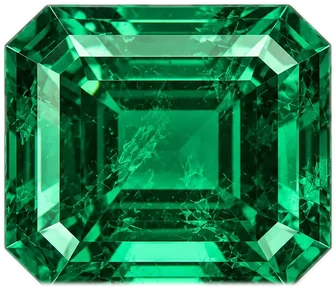
NATURE'S COLOURS Emerald Deep green. Timeless wonder.
THE ART OF THE EARTH

DISCOVER WITH CONFIDENCE

A beautiful stone. A better understanding.

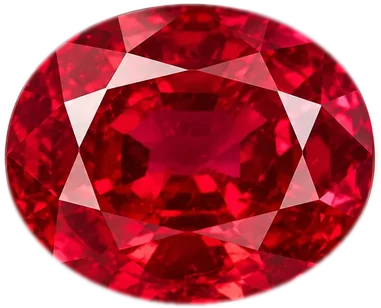
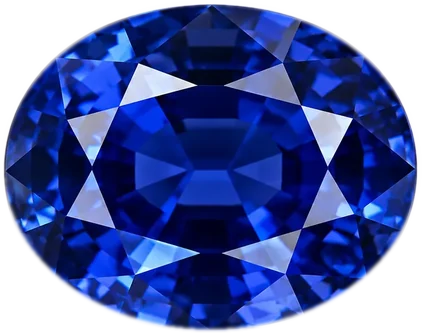
Gemstone names can hide important differences. Sapphire and ruby belong to the same mineral family, while jade can mean two distinct minerals. Some stones are mined from a handful of localities; others occur across continents. Understanding those distinctions makes it easier to compare quality, treatments and value.

Our independent GEMHOOD editorial guides separate scientific gem facts from cultural meanings and focus on questions worth asking before you buy.

EDITOR'S SELECTION

Browse the complete A–Z ↗

FIND THE RIGHT STONE

Search by name, colour or meaning.

Try our personalised gemstone finder ↗
Reset

THE COMPLETE LIBRARY

Explore gemstone guides.

Showing 18 of 322 matching guides
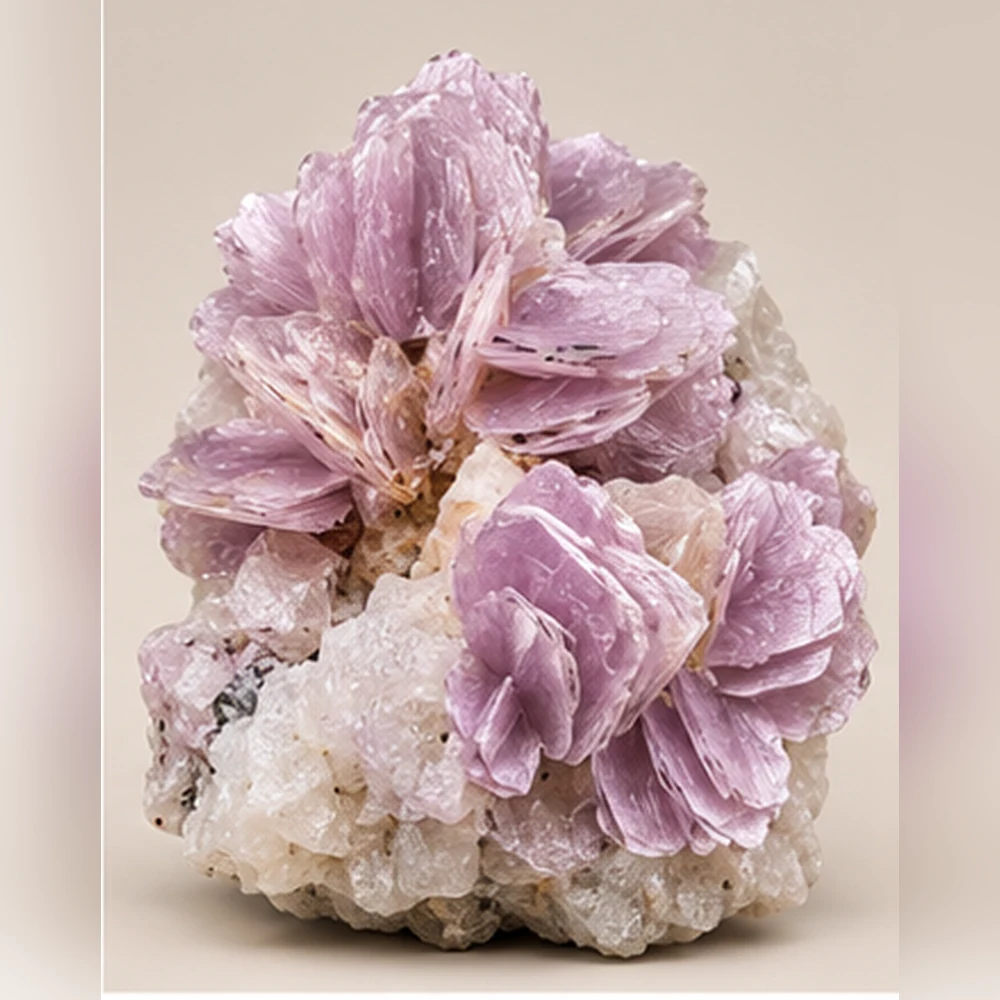
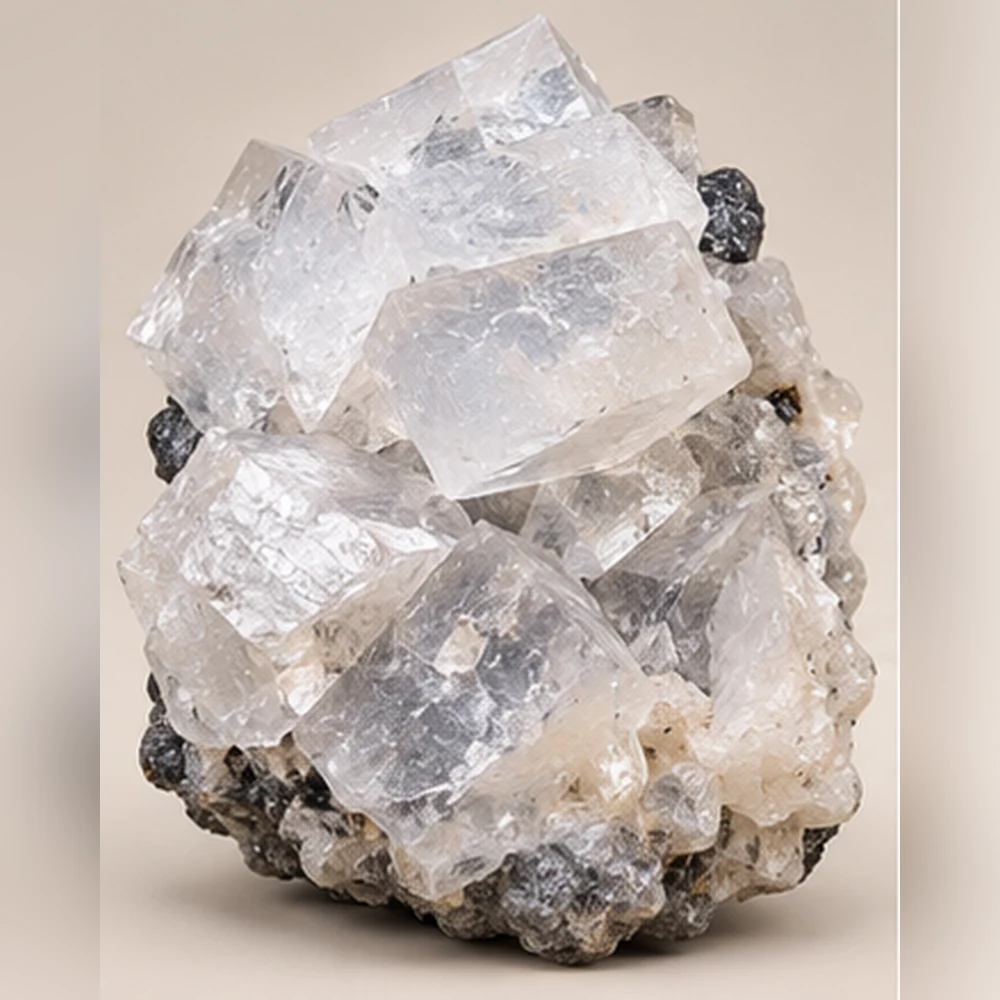
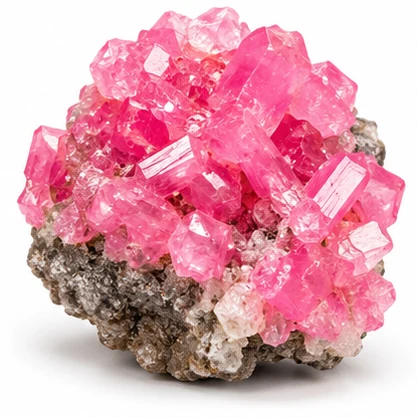
Cobalt-bearing Calcite gemstone specimen
Cobalt-bearing variety of calcite

Cobalt-bearing Calcite

Democratic Republic of the Congo Morocco
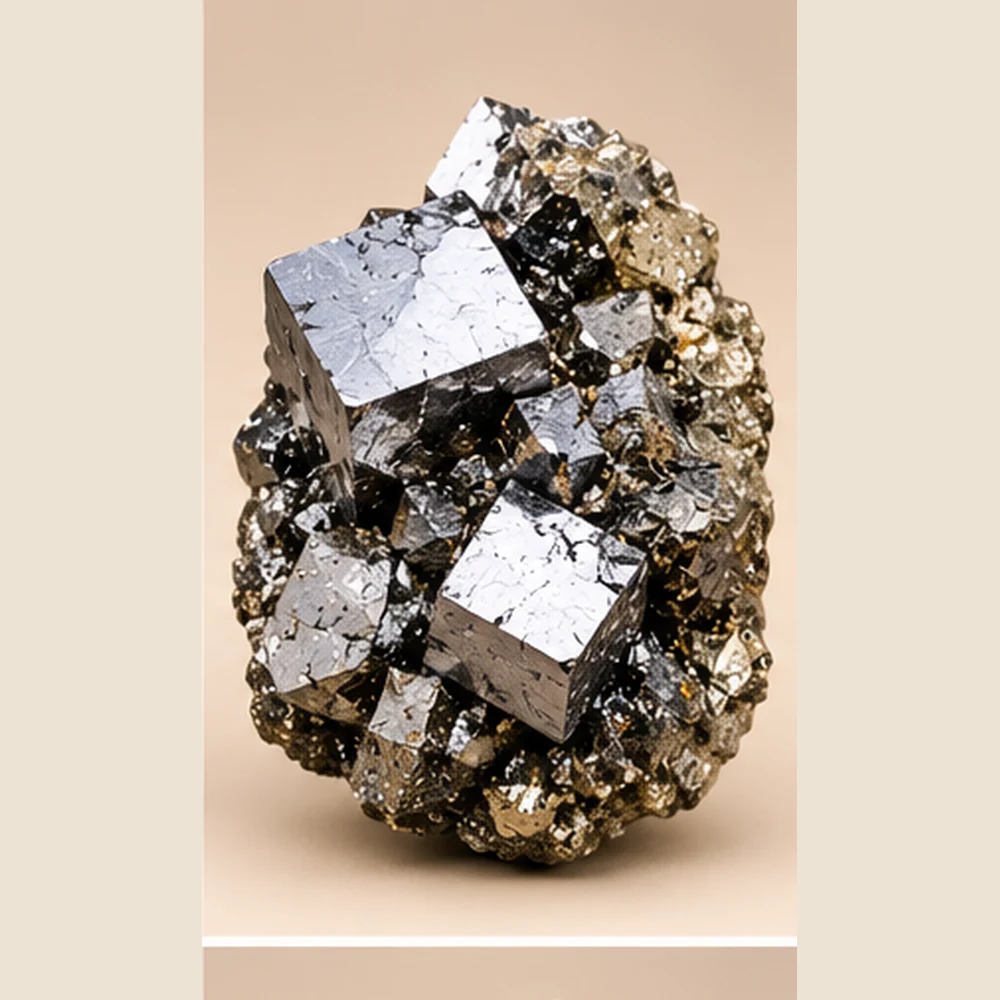
Cobalt-bearing calcite is a colourful pink variety of calcite, commonly prized as sparkling rhombohedral collector crystal...

Origins · Care · Buying advice ↗
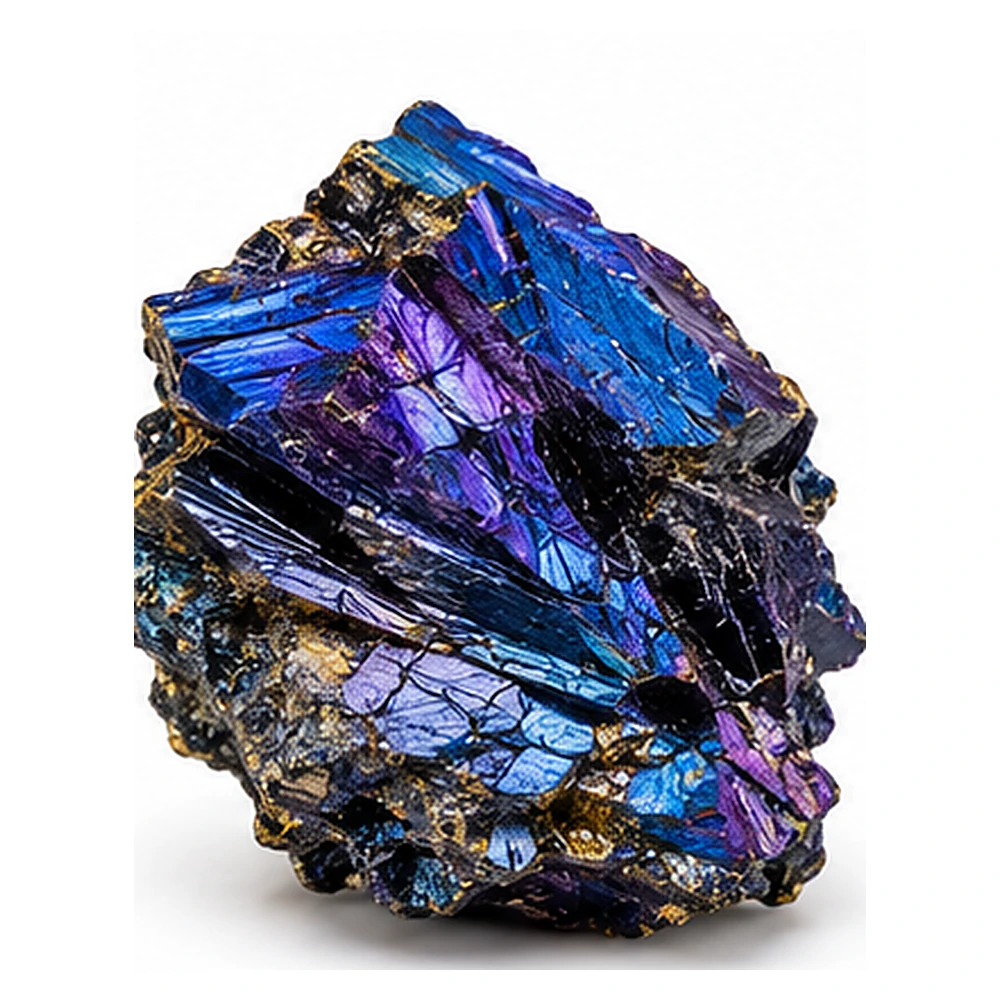
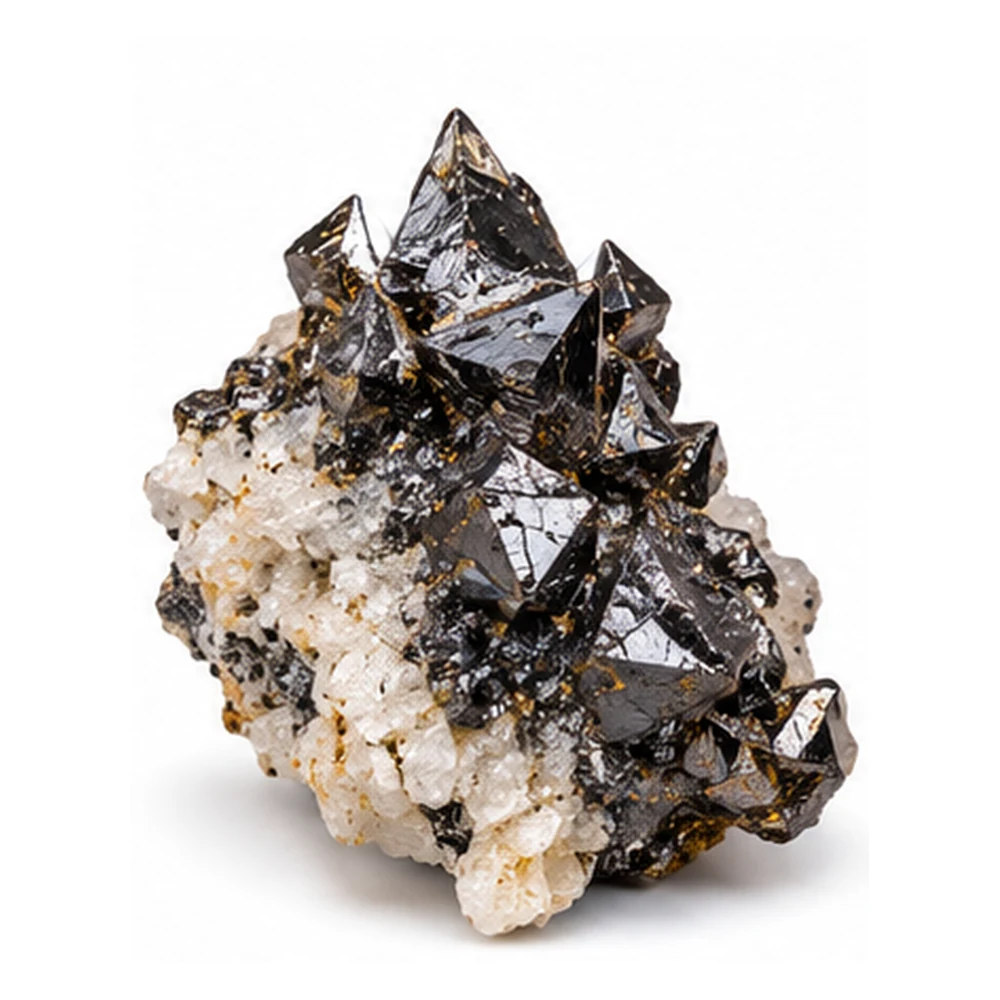
Cobaltite gemstone specimen
cobalt arsenic sulfide

Cobaltite

Cobaltite (CoAsS) has a reported Mohs hardness near 5.5; a mineral guide to pseudocubic crystals and massive aggregates, g...

Origins · Care · Buying advice ↗
Colemanite gemstone specimen
hydrated calcium borate mineral

Colemanite

United States Turkey

Colemanite guide: identity, composition CaB₃O₄(OH)₃·H₂O, hardness 4.5, origins, collecting and care.

Origins · Care · Buying advice ↗
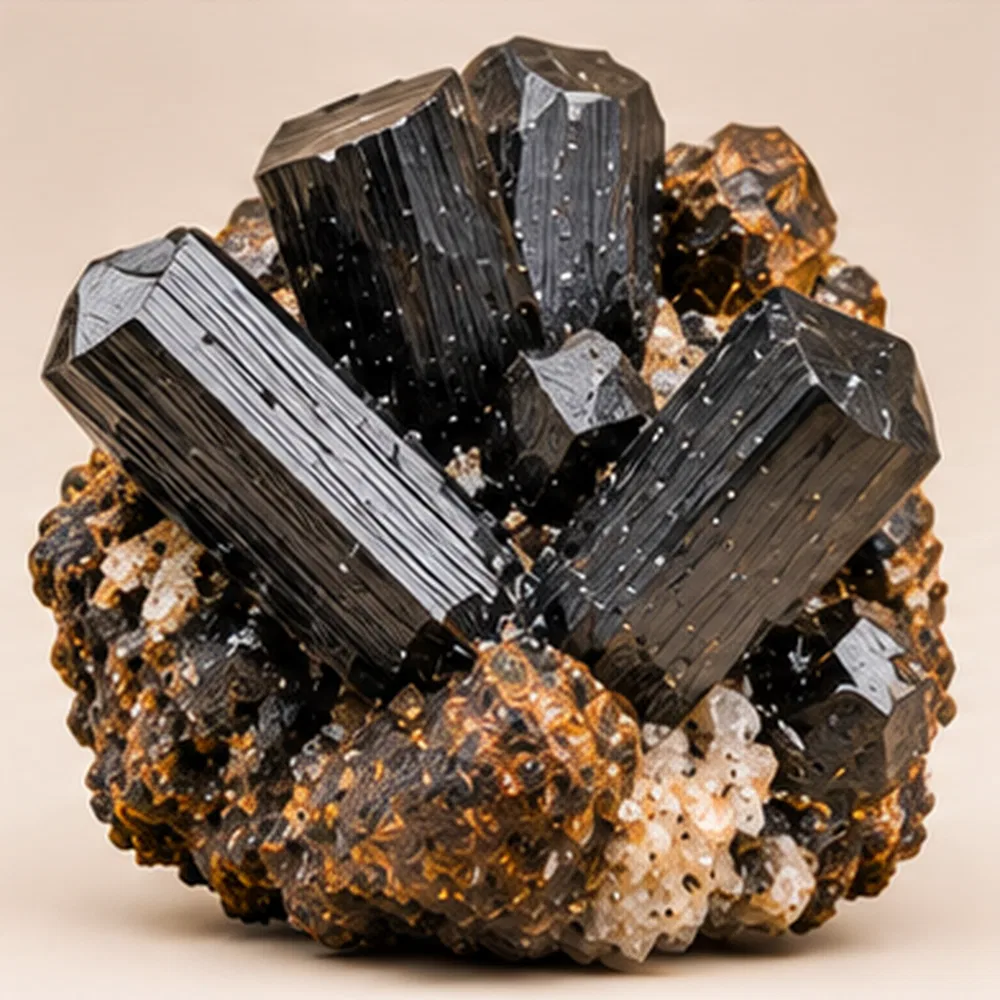
Columbite-(Fe) gemstone specimen
iron niobate oxide

Columbite-(Fe)

Columbite-(Fe) is a iron niobate oxide (formula FeNb2O6); Mohs 6. Learn its appearance, occurrence and specimen care.

Origins · Care · Buying advice ↗
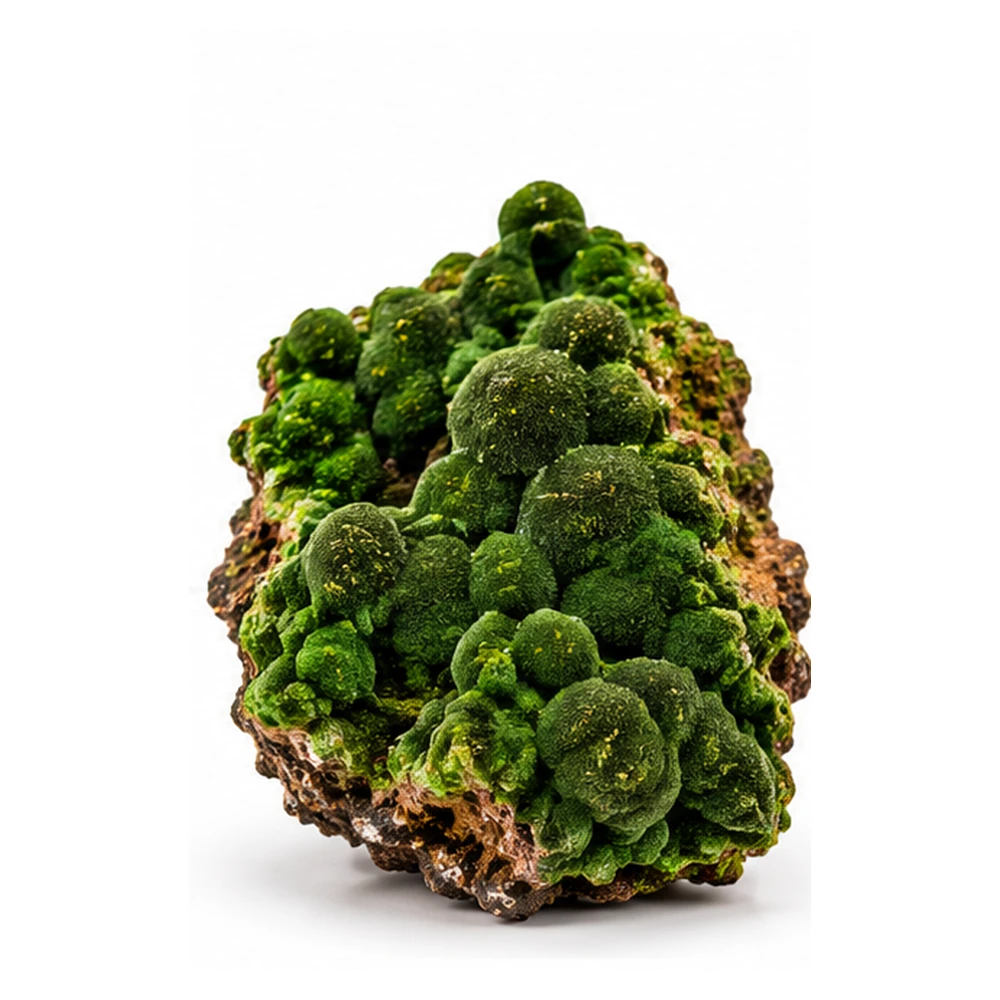
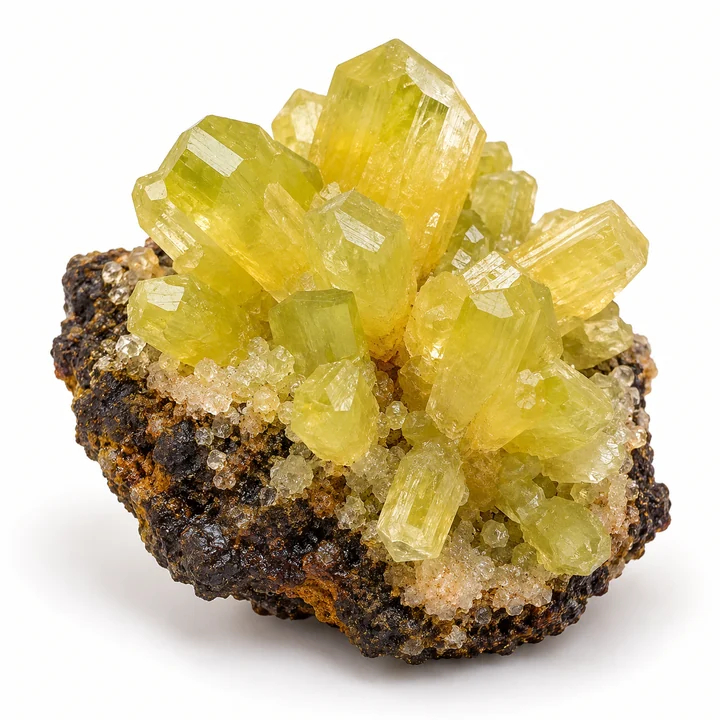
Conichalcite gemstone specimen
Calcium copper arsenate hydroxide

Conichalcite

Spain Mexico

Conichalcite is known for velvety green botryoidal crusts or small green mineral spheres. Read the identification, handlin...

Origins · Care · Buying advice ↗
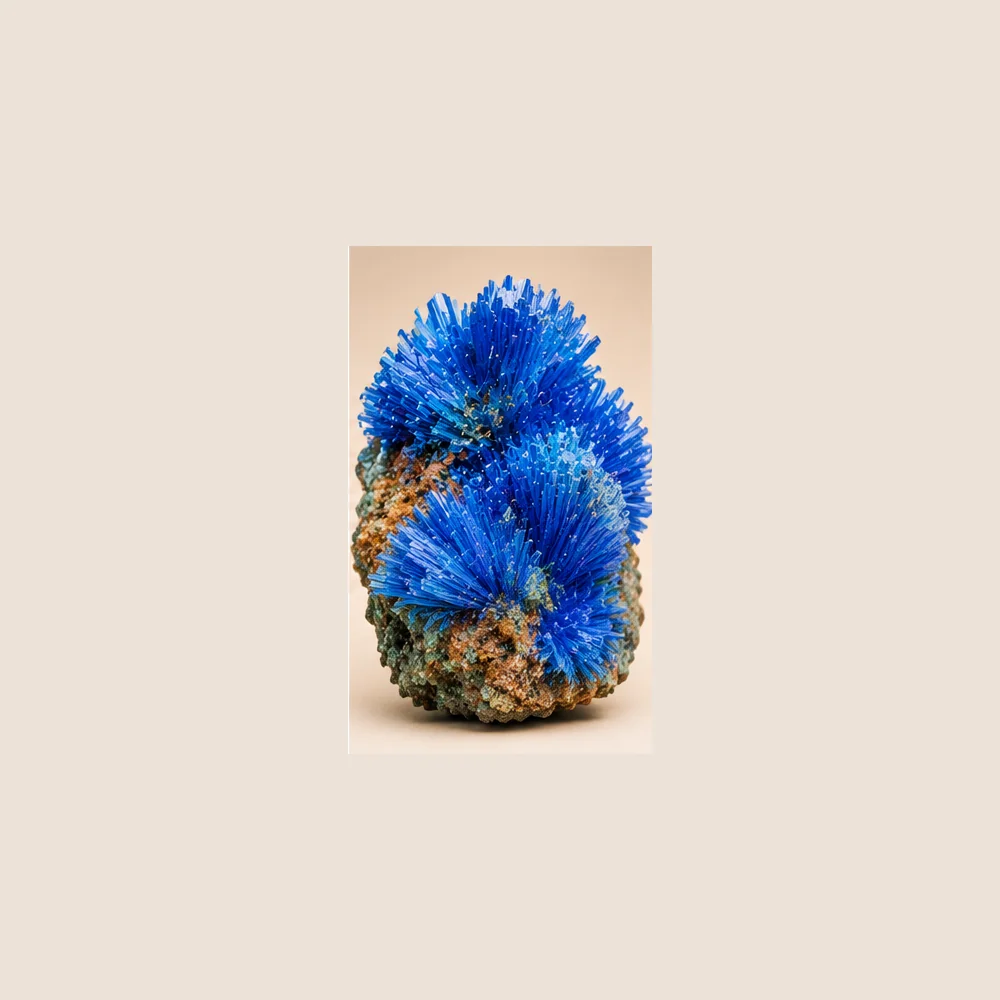
Connellite gemstone specimen
copper sulfate hydroxide chloride

Connellite

Connellite — copper sulfate hydroxide chloride; typically azure blue to blue-green. Fine blue acicular aggregates commonly...

Origins · Care · Buying advice ↗
Cookeite gemstone specimen
Lithium-bearing chlorite-group phyllosilicate

Cookeite

United States Brazil

Cookeite ((LiAl₄□)[AlSi₃O₁₀](OH)₈), Mohs 2.5–3.5: an illustrated guide to crystal habit, identification, origins, collecti...

Origins · Care · Buying advice ↗
Coquimbite gemstone specimen
hydrated aluminium–iron sulfate

Coquimbite

Chile

Coquimbite: hydrated aluminium–iron sulfate, chemical formula AlFe₃(SO₄)₆(H₂O)₁₂·6H₂O, Mohs hardness 2.5, appearance and s...

Origins · Care · Buying advice ↗
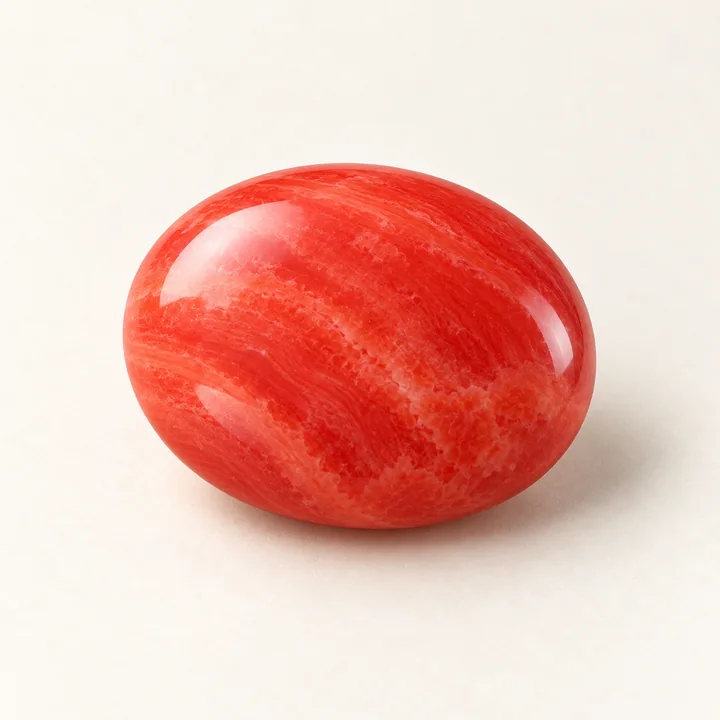
Coral gemstone specimen
Organic marine calcium carbonate

Coral

Precious coral in jewellery is an organic biogenic material rather than a mined crystalline gemstone. Check species and pr...

Origins · Care · Buying advice ↗
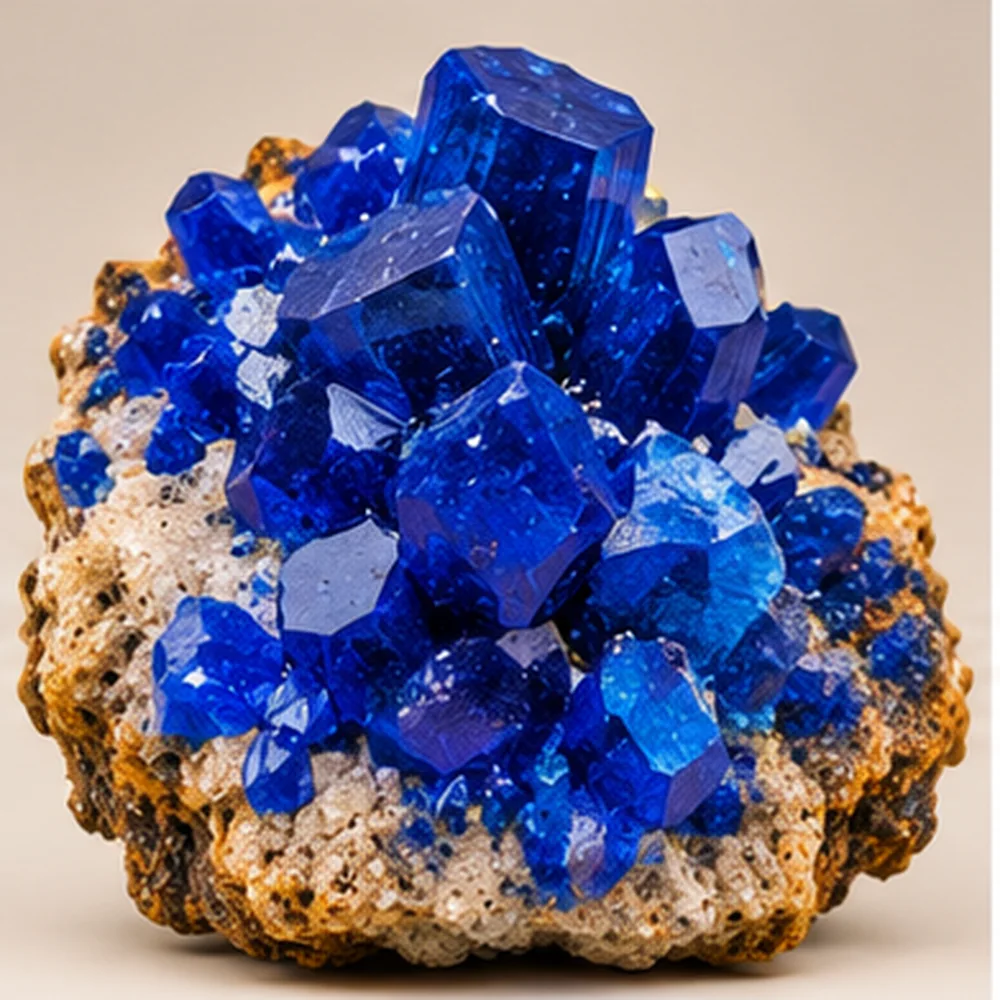
Cornetite gemstone specimen
Copper phosphate

Cornetite

DR Congo

Discover Cornetite, a copper phosphate known for deep-blue copper phosphate crystals. See verified-reference properties an...

Origins · Care · Buying advice ↗
Covellite gemstone specimen
Copper sulphide

Covellite

Italy United States

Covellite: copper sulphide, Mohs 1.5–2. Explore identification, origins, buying, safe handling and care.

Origins · Care · Buying advice ↗
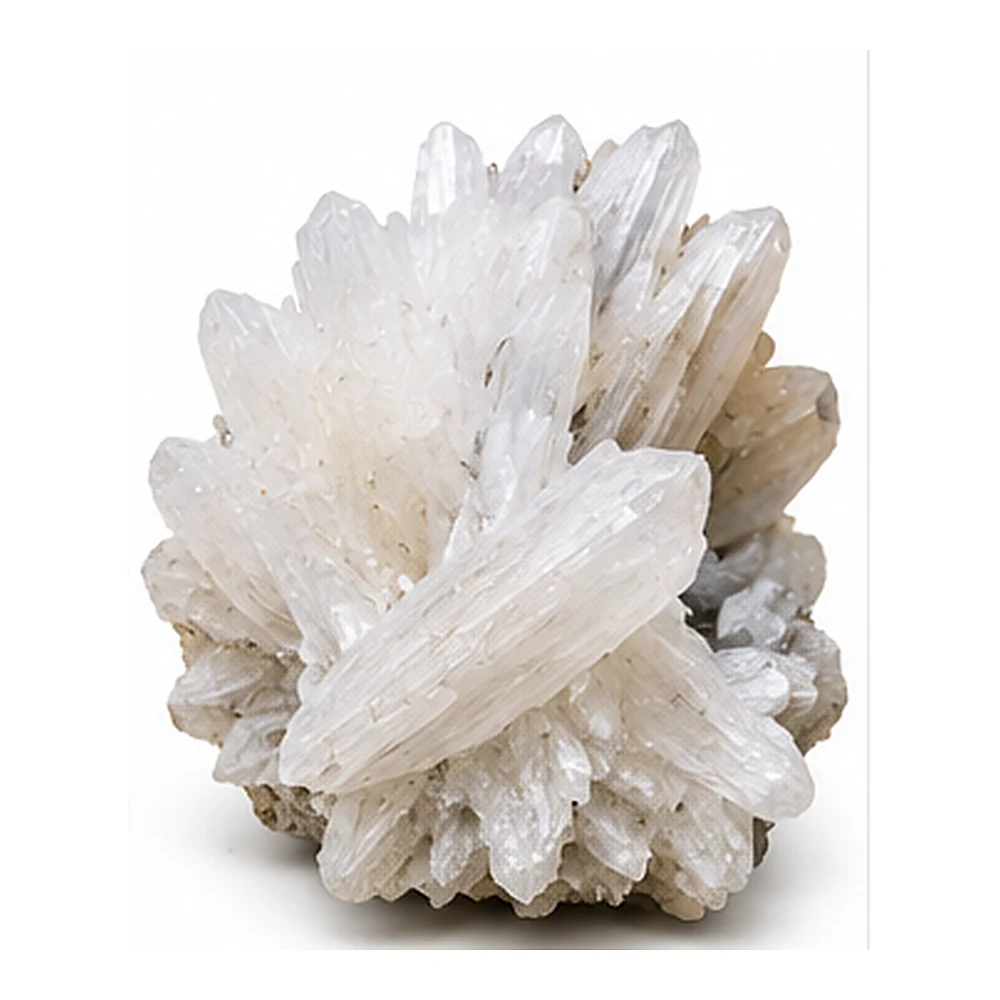
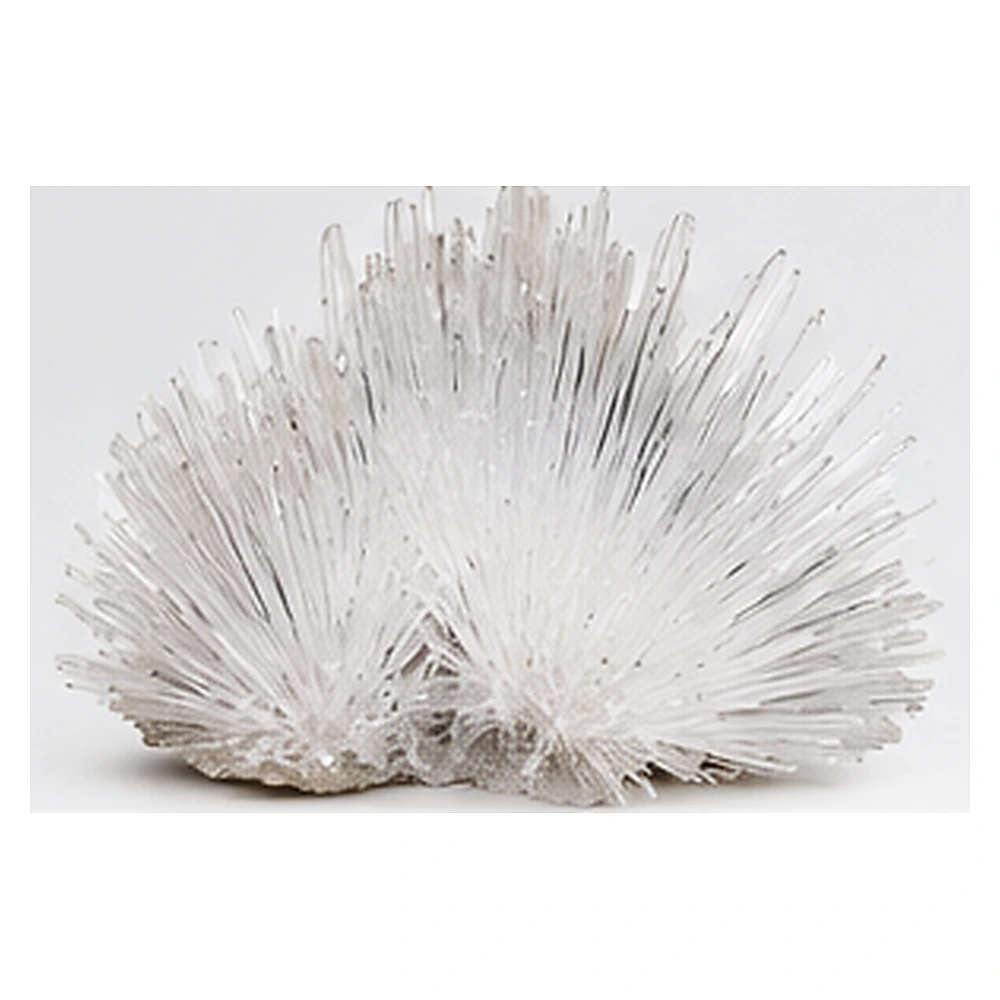
Creedite gemstone specimen
Calcium aluminium sulphate fluoride

Creedite

United States Mexico

Creedite is known for needle-like violet, orange or colourless starburst sprays. Read the identification, handling and col...

Origins · Care · Buying advice ↗
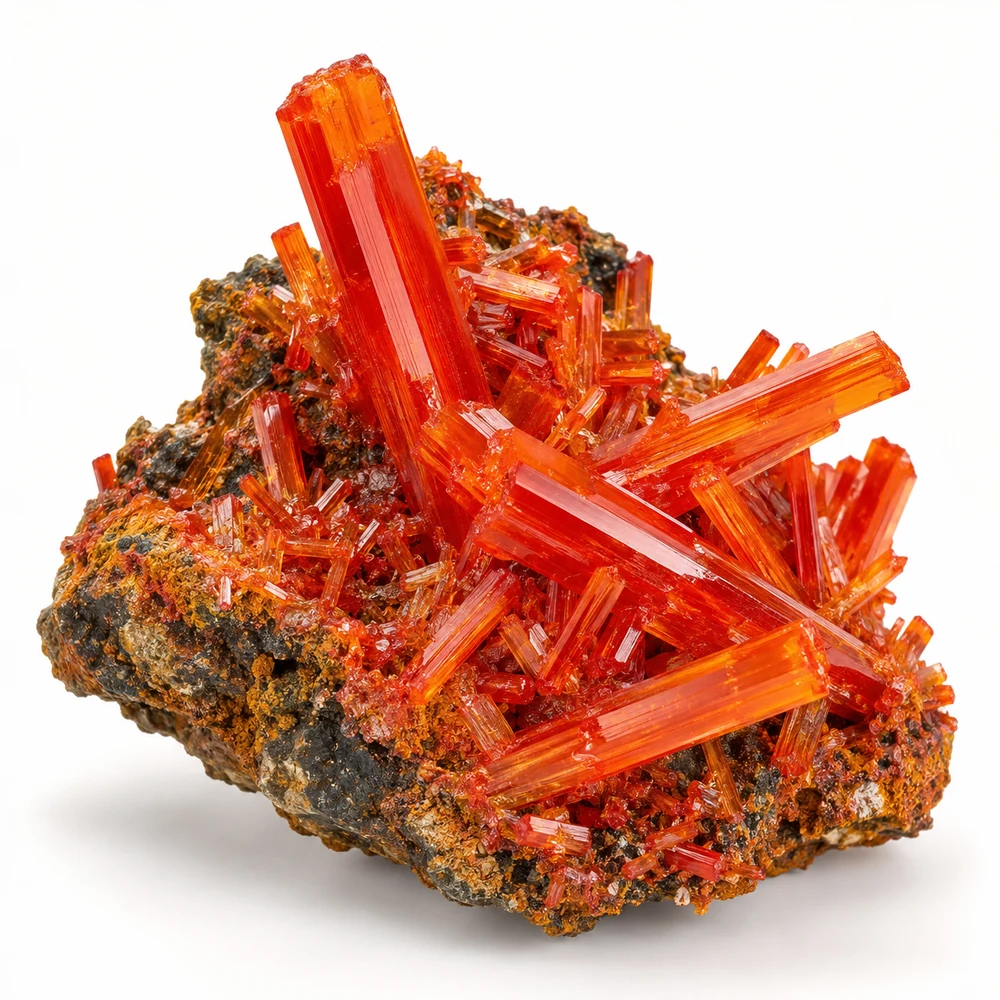
Crocoite gemstone specimen
Lead chromate

Crocoite

Australia Russia

Crocoite is known for long brilliant orange-red prisms, often in striking comb-like groups. Read the identification, handl...

Origins · Care · Buying advice ↗
Cryolite gemstone specimen
Sodium aluminium fluoride

Cryolite

Greenland Russia

Cryolite (Na₃AlF₆), Mohs 3–3.5: an illustrated guide to crystal habit, identification, origins, collecting and safe care.

Origins · Care · Buying advice ↗
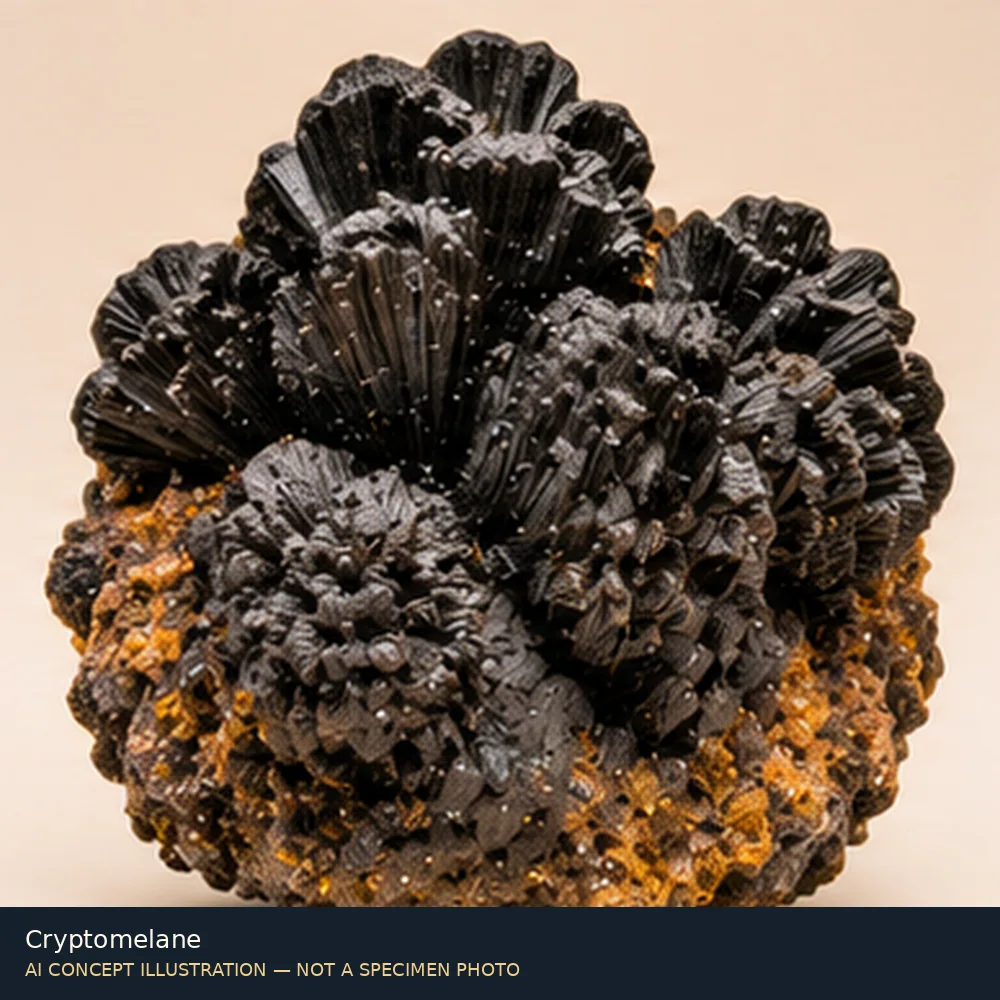
Cryptomelane gemstone specimen
potassium manganese oxide

Cryptomelane

Cryptomelane is a potassium manganese oxide often described with dark brown to black colours; learn about its properties,...

Origins · Care · Buying advice ↗
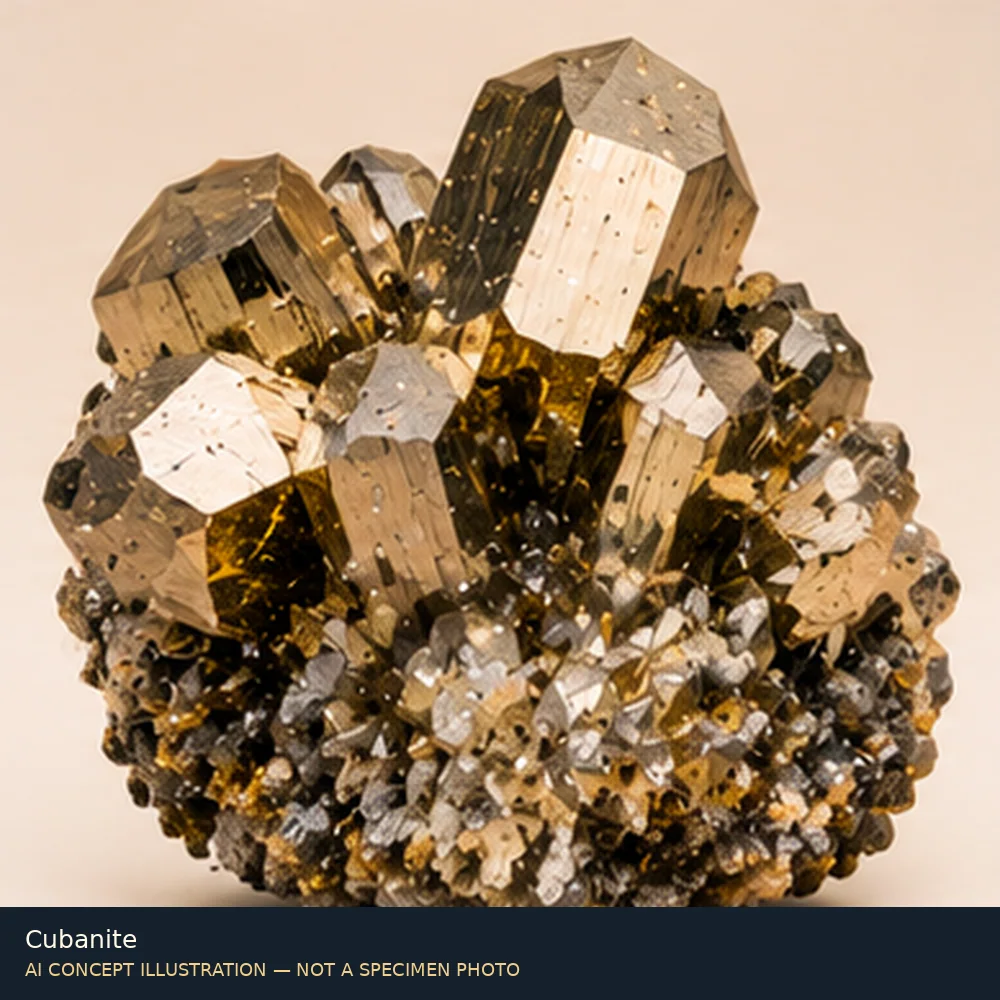
Cubanite gemstone specimen
copper iron sulfide

Cubanite

Cubanite is a copper iron sulfide often described with brass-yellow to bronze-yellow colours; learn about its properties,...

Origins · Care · Buying advice ↗
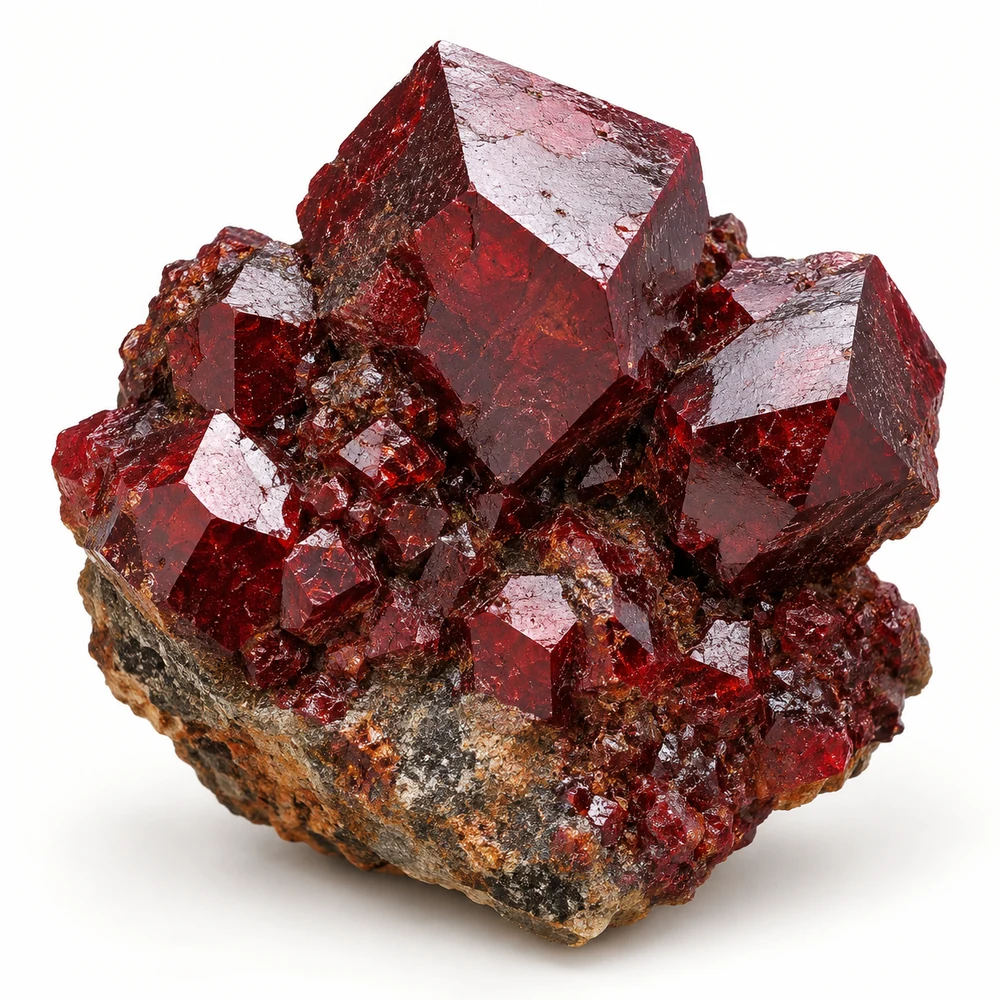
Cuprite gemstone specimen
Copper(I) oxide

Cuprite

Namibia United States

Cuprite is known for deep ruby-red octahedral crystals with brilliant almost diamond-like reflections. Read the identifica...

Origins · Care · Buying advice ↗
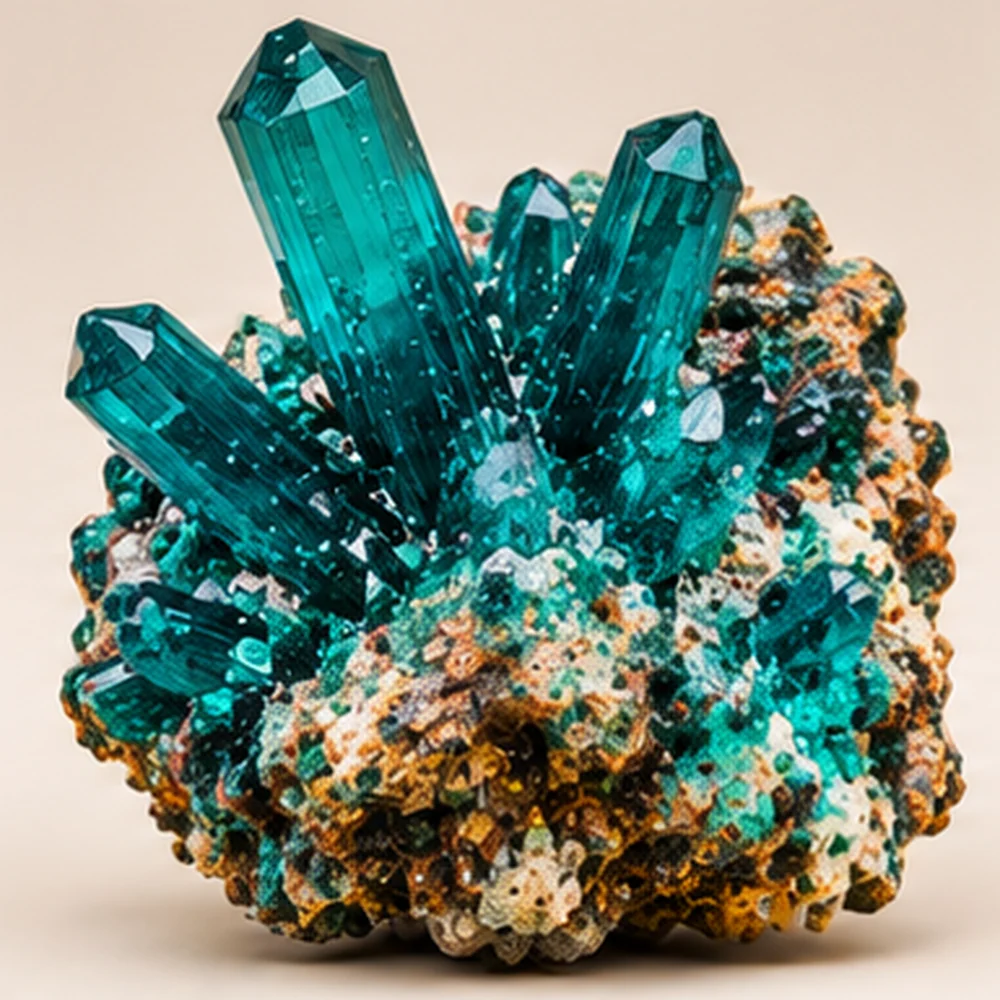
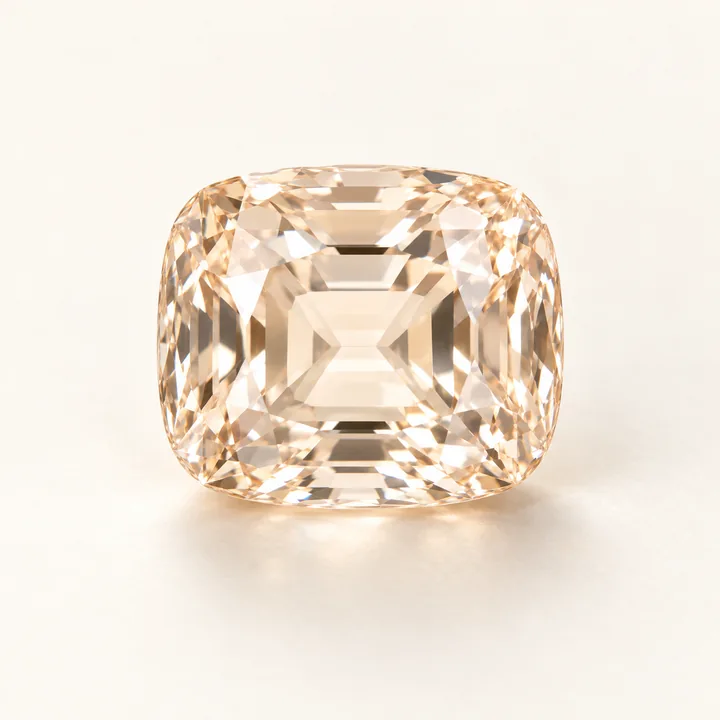
Danburite gemstone specimen
Calcium borosilicate mineral

Danburite

Mexico Madagascar

Danburite is a transparent borosilicate gem prized for clarity and a bright, understated appearance. Compare real photogra...

Origins · Care · Buying advice ↗

INDEPENDENT OF FILTERS

The A–Z gemstone directory.

Every currently published GEMHOOD gemstone guide is linked below. Use this directory to discover a stone directly, even when it is not shown on the current results page.

COMPARE BEFORE YOU CHOOSE

Two gemstones. Side by side.

See their colours, source regions, mineral families and jewellery considerations, with real encyclopedia images.

Open gemstone comparison

THE GEMHOOD BUYING ACADEMY

Learn to look beyond the sparkle.

A good gemstone purchase begins with knowing what the seller is describing. These six essentials are useful across colourless, coloured, organic and assembled gems.

01 · DURABILITY

Scratch resistance isn't toughness

Mohs hardness measures resistance to being scratched. Toughness concerns breaking or chipping; stability concerns heat, light, moisture and chemicals. A hard stone may still chip at an exposed corner, and a relatively soft material can be enjoyed for years when worn carefully.

02 · TREATMENTS

Natural is not the same as untreated

A natural gem can be heated, dyed, filled or coated. Ask what has been done, whether the result is stable, whether special care is required and how treatment affects comparative value. Cutting and polishing alone are not the same as colour or clarity enhancement.

03 · IDENTIFICATION

Names are not certificates

A trade colour, mine nickname or poetic name does not establish mineral identity. Ask whether the actual stone is natural, laboratory-grown, composite or an imitation. Valuable exceptions merit documentation from an independent qualified laboratory.

04 · PHOTOGRAPHY

View the actual gem in multiple lights

Bright spotlights, warm bulbs, cool daylight and camera editing can radically affect apparent colour. Request face-up and side views, ideally moving video of the exact item. That is especially useful for colour-change and optical-effect gemstones.

05 · PROVENANCE

A famous mining region is a claim

The fact that a gemstone occurs in a country does not prove the origin of a particular specimen. If a listing charges extra for geographic provenance, ask for the evidence supporting that claim and recognise that some localities cannot be determined with certainty.

06 · JEWELLERY DESIGN

The setting is part of the purchase

A protected pendant and an exposed everyday ring face very different wear. Consider mount security, fragile points, repairs, cleaning restrictions and return terms. A beautiful stone is a better purchase when it suits the way the jewellery will actually be worn.

Educational guidance only; gemstone treatment, origin and identification details for an individual product must be verified separately.

GEMSTONE KNOWLEDGE

Three things to know before choosing a gemstone

01 · ORIGINS

Where a stone forms

Geological origin explains how a mineral or organic gem develops. Known mining regions do not certify where any individual piece of jewellery came from.

02 · TREATMENTS

Natural, treated or lab-grown?

Heat treatment, filling, dyeing, synthetics and imitations are different disclosures. Understand the actual material and treatment before comparing prices.

03 · CARE

Durability is more than hardness

Mohs hardness concerns scratching. Cleavage, toughness, setting protection and cleaning methods also affect how safely jewellery can be worn.

Gemstone origins are illustrative geological and commercial localities, not independent verification of our individual products. Spiritual meanings are cultural traditions rather than medical claims.

Found something worth sharing?Share this guide or tool with someone who loves gemstones.
Facebook WhatsApp
Need help?