Skip to content
GEMSTONE JEWELLERY & MEANINGFUL GIFTSDiscover your gemstone

THE GEMHOOD GEMSTONE LIBRARY

Gemstone Encyclopedia

An A–Z field guide to the world's most intriguing gemstones—how they form, where they are found, what makes them beautiful and how to care for jewellery made with them.

45 gemstone profilesOrigins & geologyBuying & care advice

DISCOVER WITH CONFIDENCE

A beautiful stone. A better understanding.

Gemstone names can hide important differences. Sapphire and ruby belong to the same mineral family, while jade can mean two distinct minerals. Some stones are mined from a handful of localities; others occur across continents. Understanding those distinctions makes it easier to compare quality, treatments and value.

Our independent GEMHOOD editorial guides separate scientific gem facts from cultural meanings and focus on questions worth asking before you buy.

EDITOR'S SELECTION

Browse the complete A–Z ↗

FIND THE RIGHT STONE

Search by name, colour or meaning.

Try our personalised gemstone finder ↗
Reset

THE COMPLETE LIBRARY

Explore gemstone guides.

Showing 18 of 45 matching guides
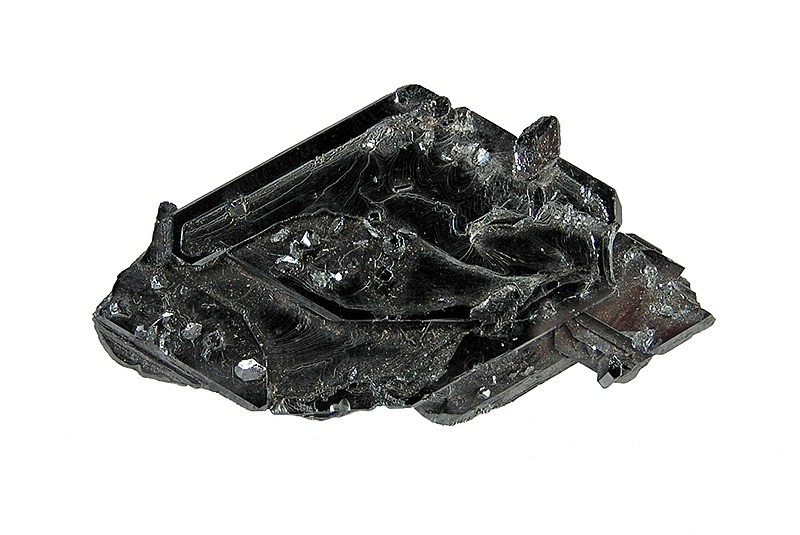
Hematite gemstone specimen
Iron oxide

Hematite

An iron-oxide mineral known for its metallic grey appearance and red-brown streak.

Origins · Care · Buying advice ↗
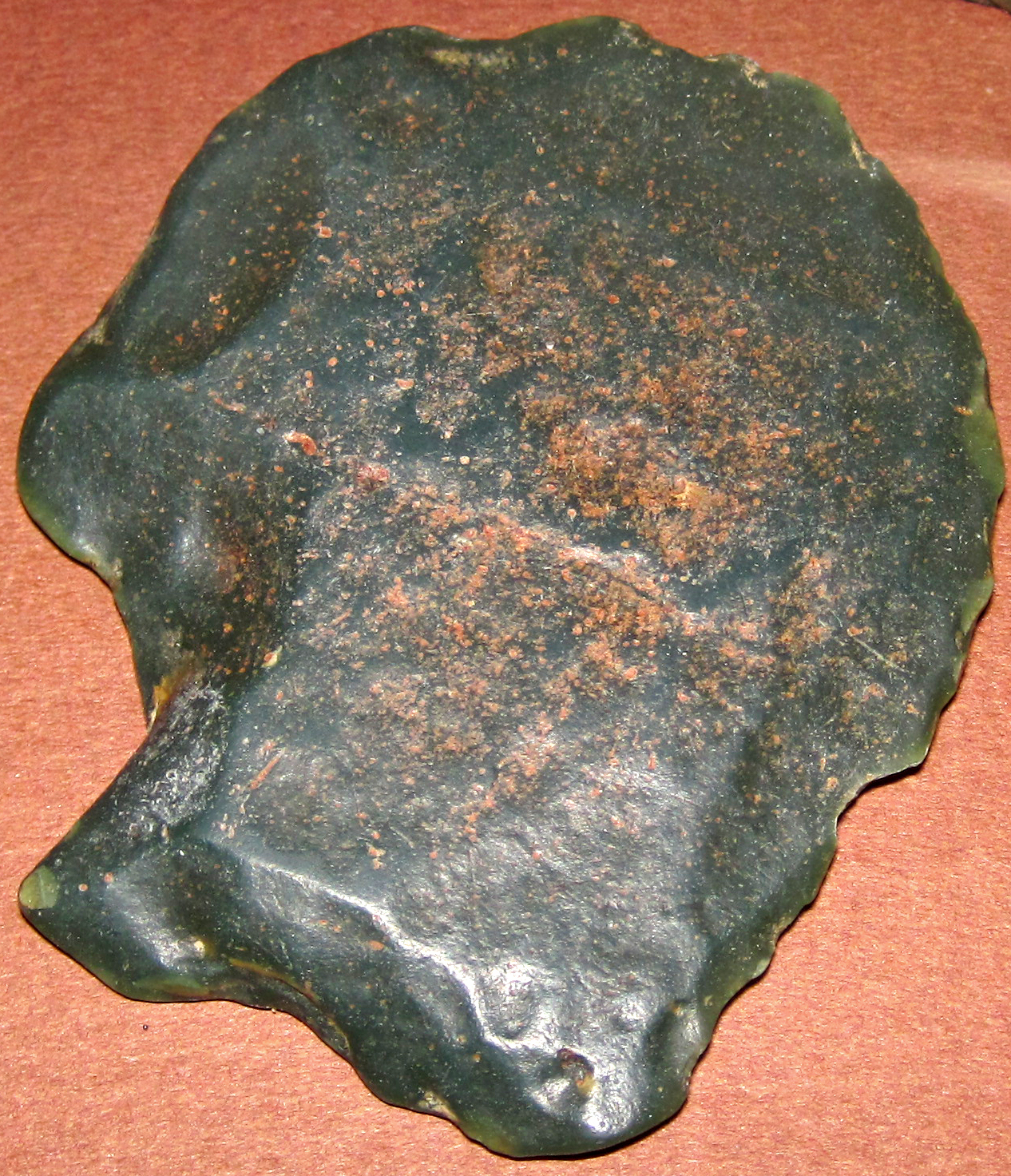
Jade gemstone specimen
Jadeite / Nephrite

Jade

A jewellery and carving term referring chiefly to jadeite and nephrite, two distinct mineral materials.

Origins · Care · Buying advice ↗
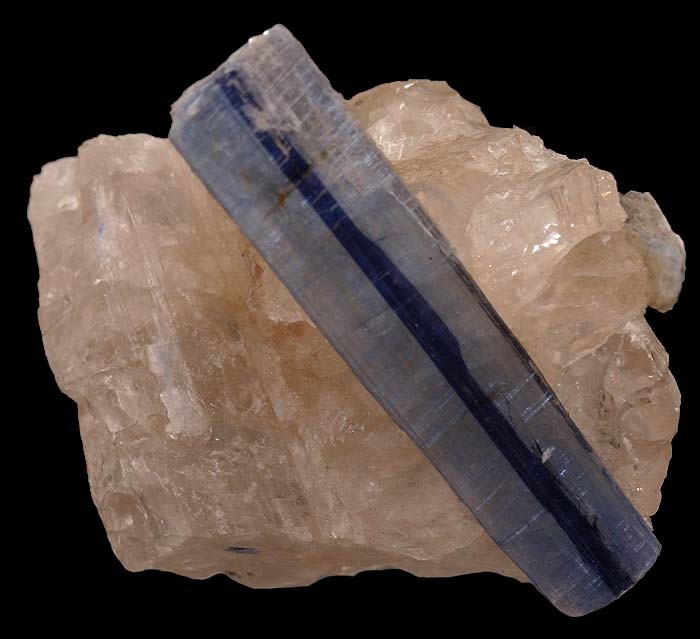
Kyanite gemstone specimen
Aluminium silicate

Kyanite

An aluminium silicate mineral, often blue, whose hardness differs by crystal direction.

Origins · Care · Buying advice ↗
Labradorite gemstone specimen
Feldspar

Labradorite

A feldspar that may display colourful iridescent flashes known as labradorescence.

Origins · Care · Buying advice ↗
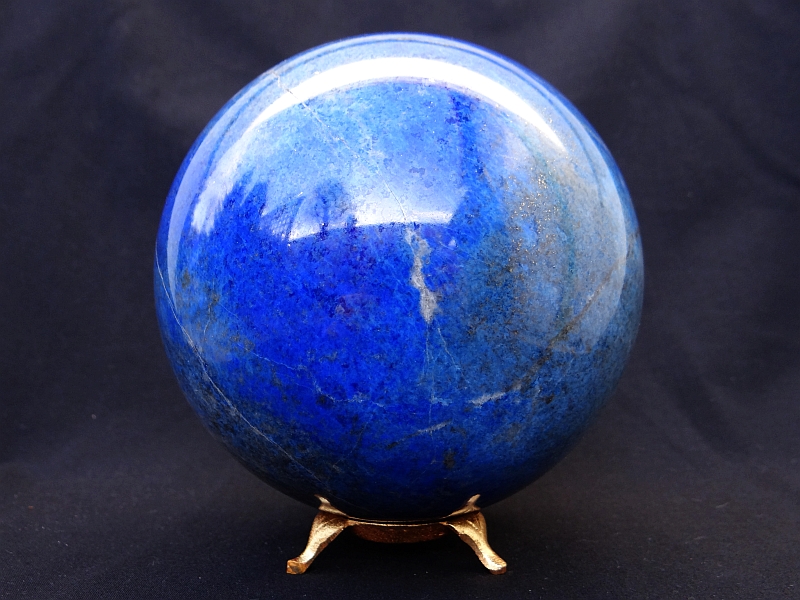
Lapis Lazuli gemstone specimen
Rock dominated by lazurite

Lapis Lazuli

A blue metamorphic rock traditionally used for decorative stones and jewellery, often with golden pyrite flecks.

Origins · Care · Buying advice ↗
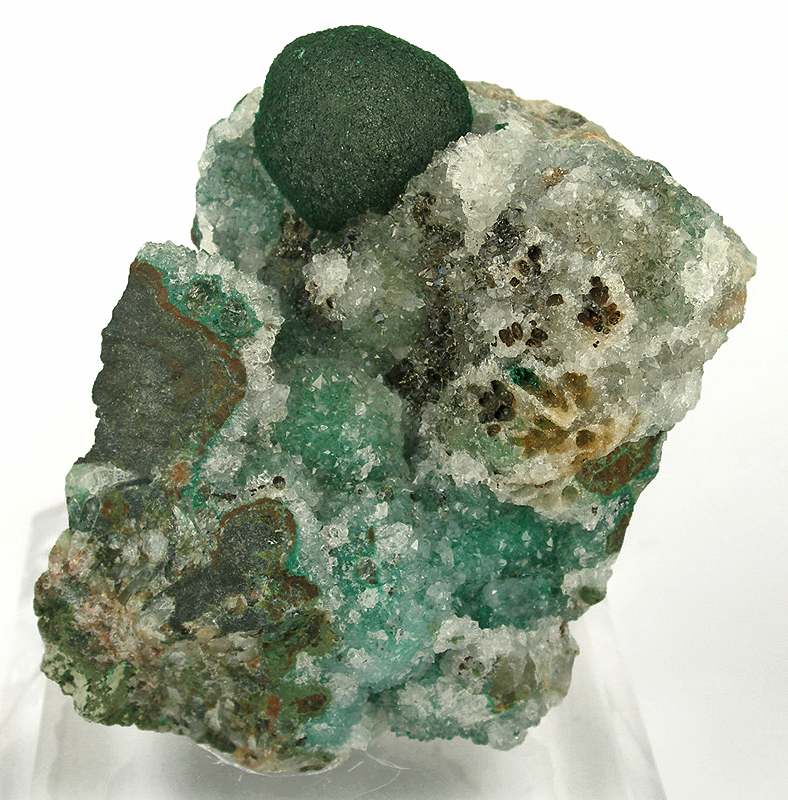
Malachite gemstone specimen
Copper carbonate

Malachite

A strongly banded green copper carbonate mineral, polished for decorative gems; avoid abrasive cleaning.

Origins · Care · Buying advice ↗
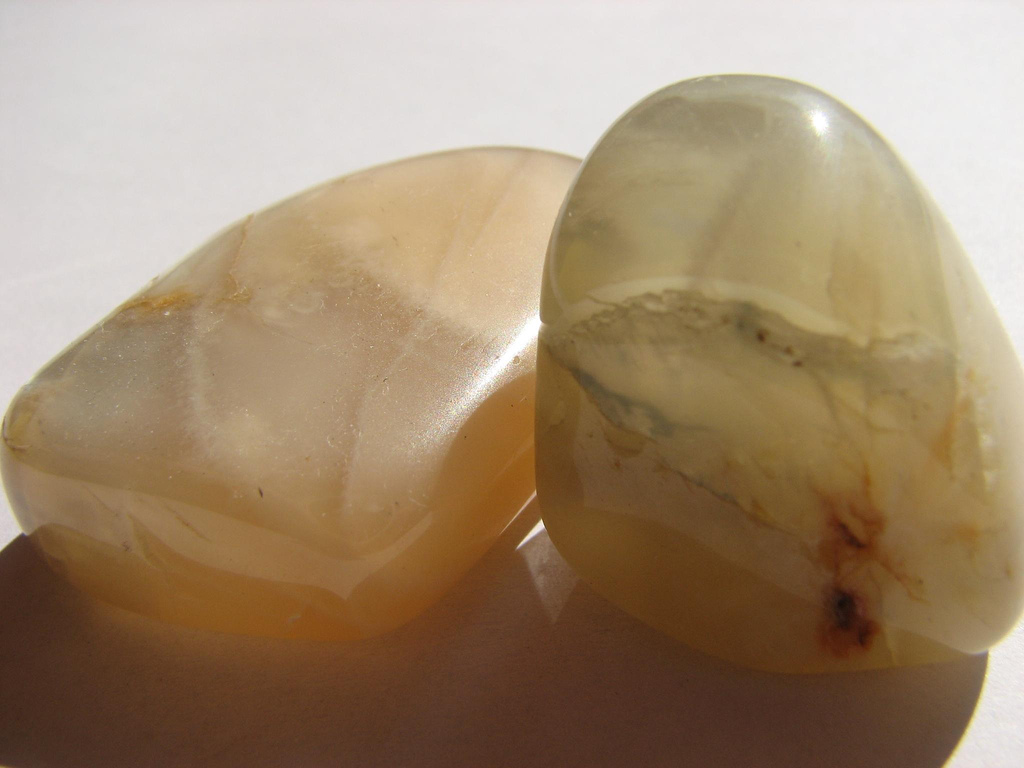
Moonstone gemstone specimen
Feldspar

Moonstone

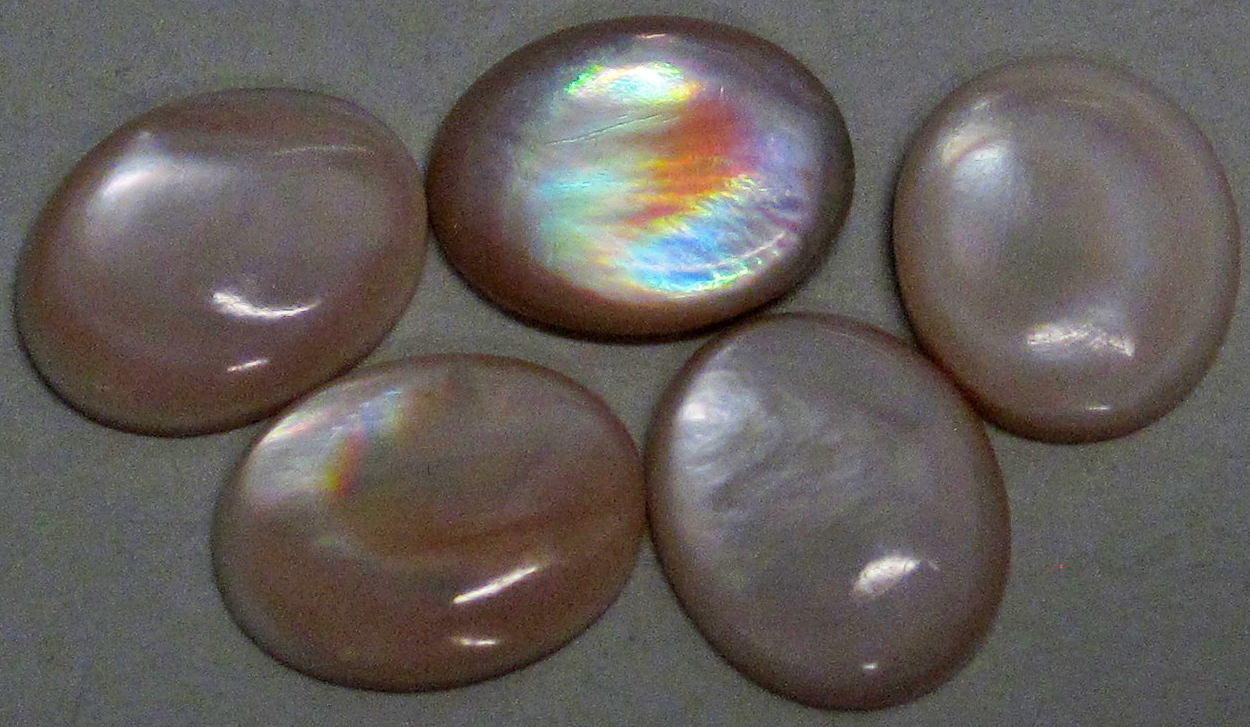
Moonstone is a feldspar gemstone associated with a floating glow called adularescence in certain specimens. Jewellery sett...

Origins · Care · Buying advice ↗
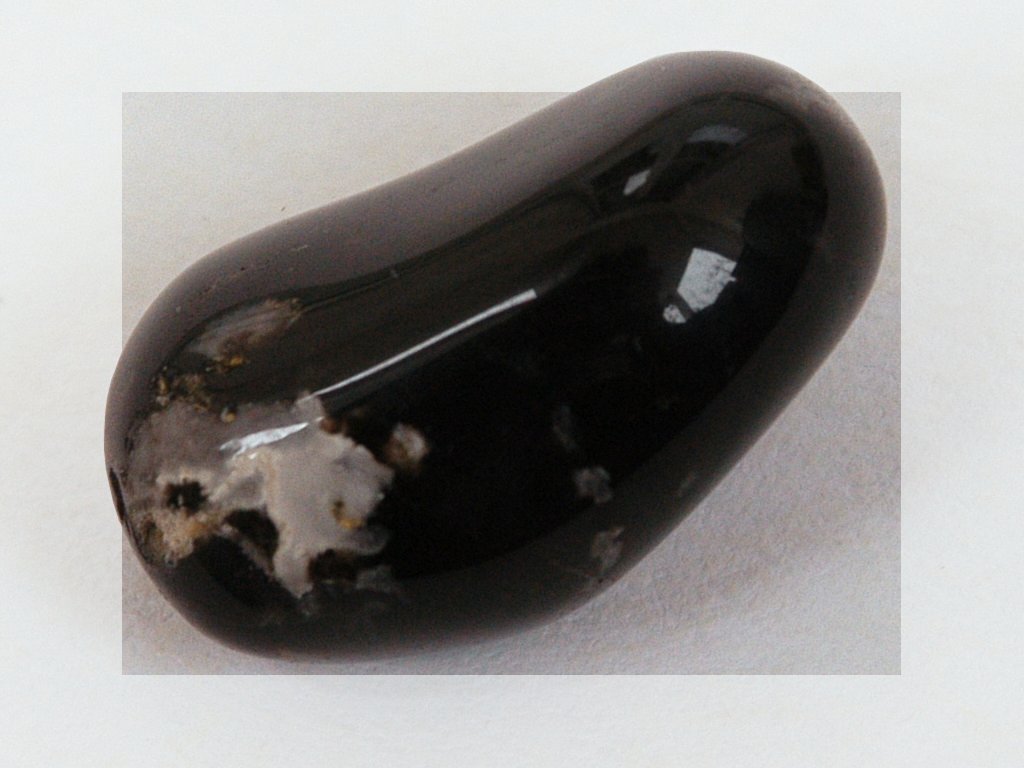
Obsidian gemstone specimen
Volcanic glass

Obsidian

Natural volcanic glass that forms when lava cools rapidly, often polished to a dark reflective finish.

Origins · Care · Buying advice ↗
Onyx gemstone specimen
Chalcedony

Onyx

A variety of chalcedony often used in black or black-and-white jewellery; dyed material should be disclosed.

Origins · Care · Buying advice ↗
Hydrated silica

Opal

Many opals display changing flashes of colour known as play-of-colour, while other varieties are more uniform. Their relat...

Origins · Care · Buying advice ↗
Pearl gemstone specimen
Biogenic calcium carbonate

Pearl

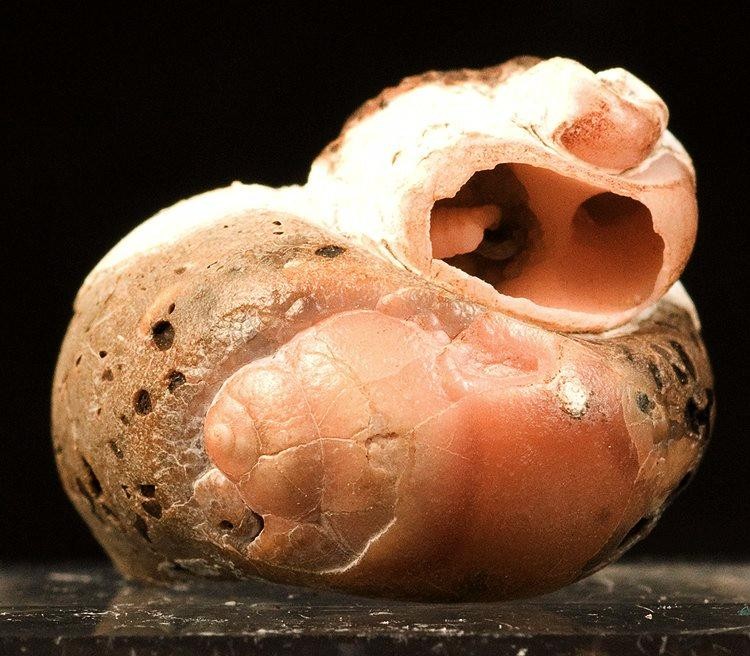
An organic gem formed within certain molluscs; natural and cultured pearls must be accurately distinguished.

Origins · Care · Buying advice ↗
Peridot gemstone specimen
Olivine

Peridot

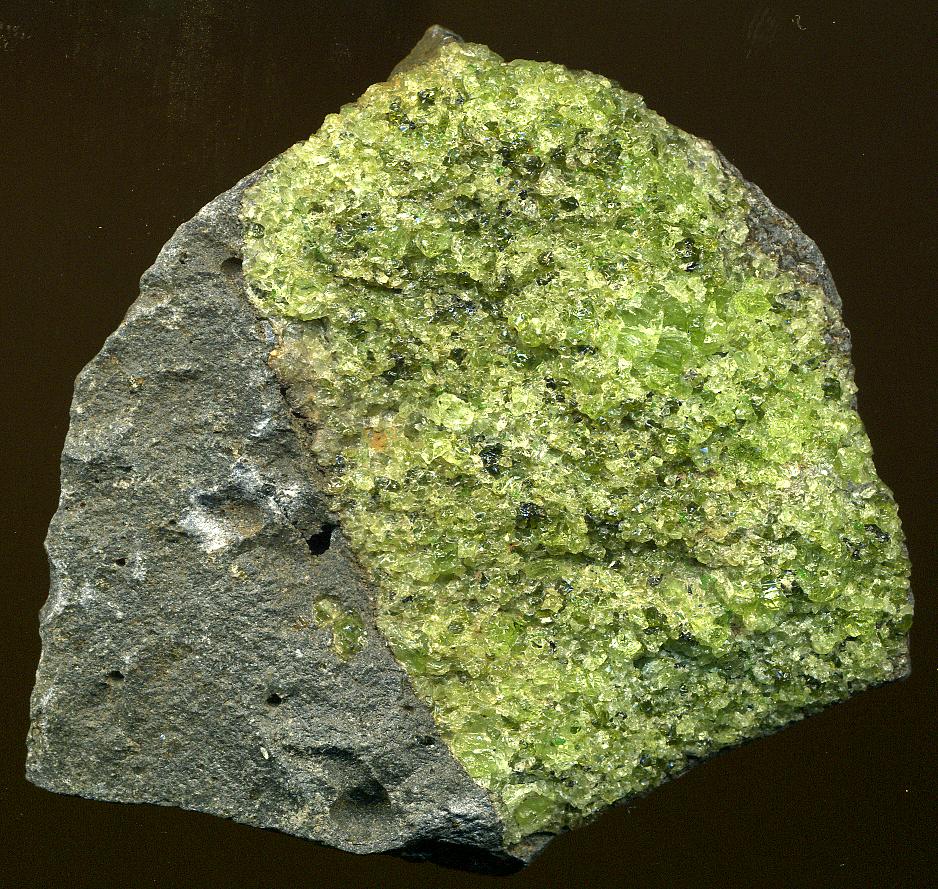
Peridot is the gem variety of olivine, commonly recognised by its yellow-green to green appearance. It brings a bright acc...

Origins · Care · Buying advice ↗
Rhodochrosite gemstone specimen
Manganese carbonate

Rhodochrosite

A manganese carbonate mineral with pink and red banding, most often made into protected jewellery.

Origins · Care · Buying advice ↗
Rhodonite gemstone specimen
Manganese silicate

Rhodonite

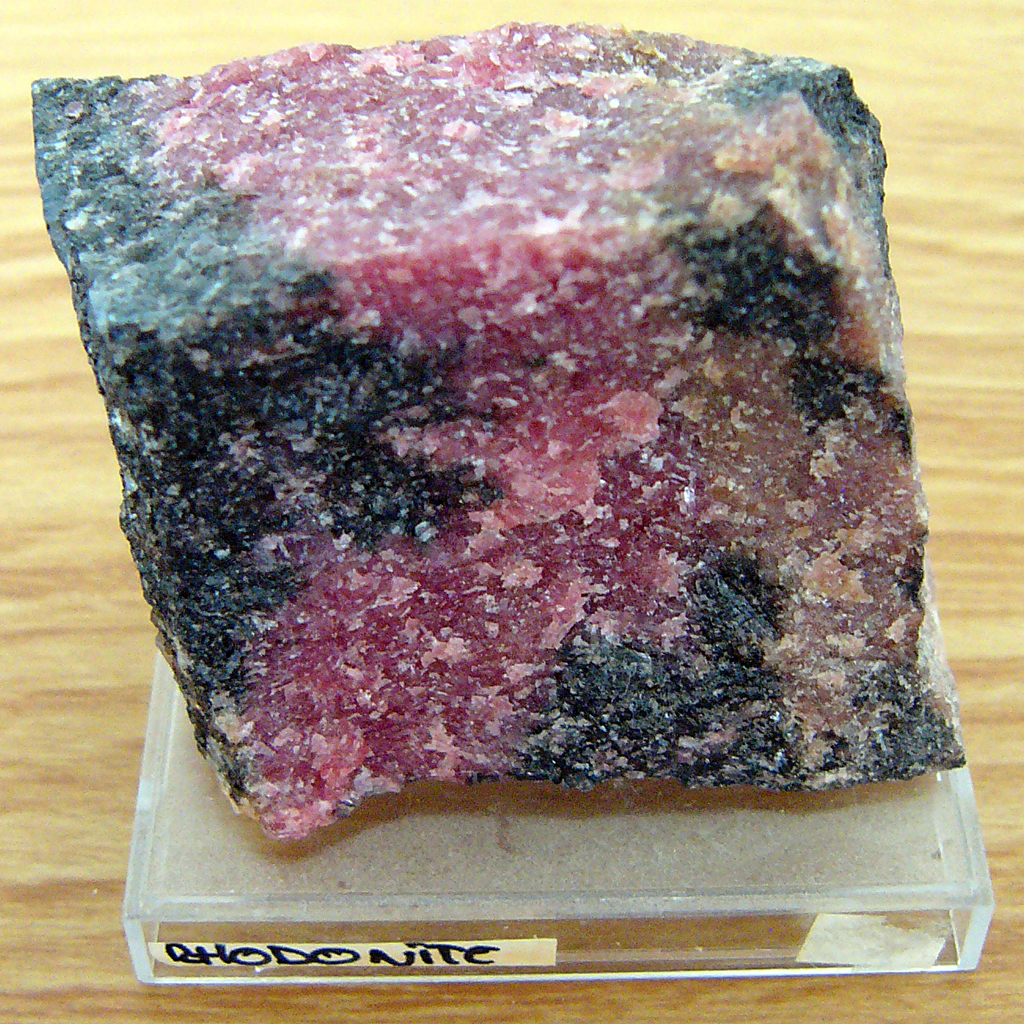
A pink manganese silicate commonly containing distinctive black manganese-oxide veins.

Origins · Care · Buying advice ↗
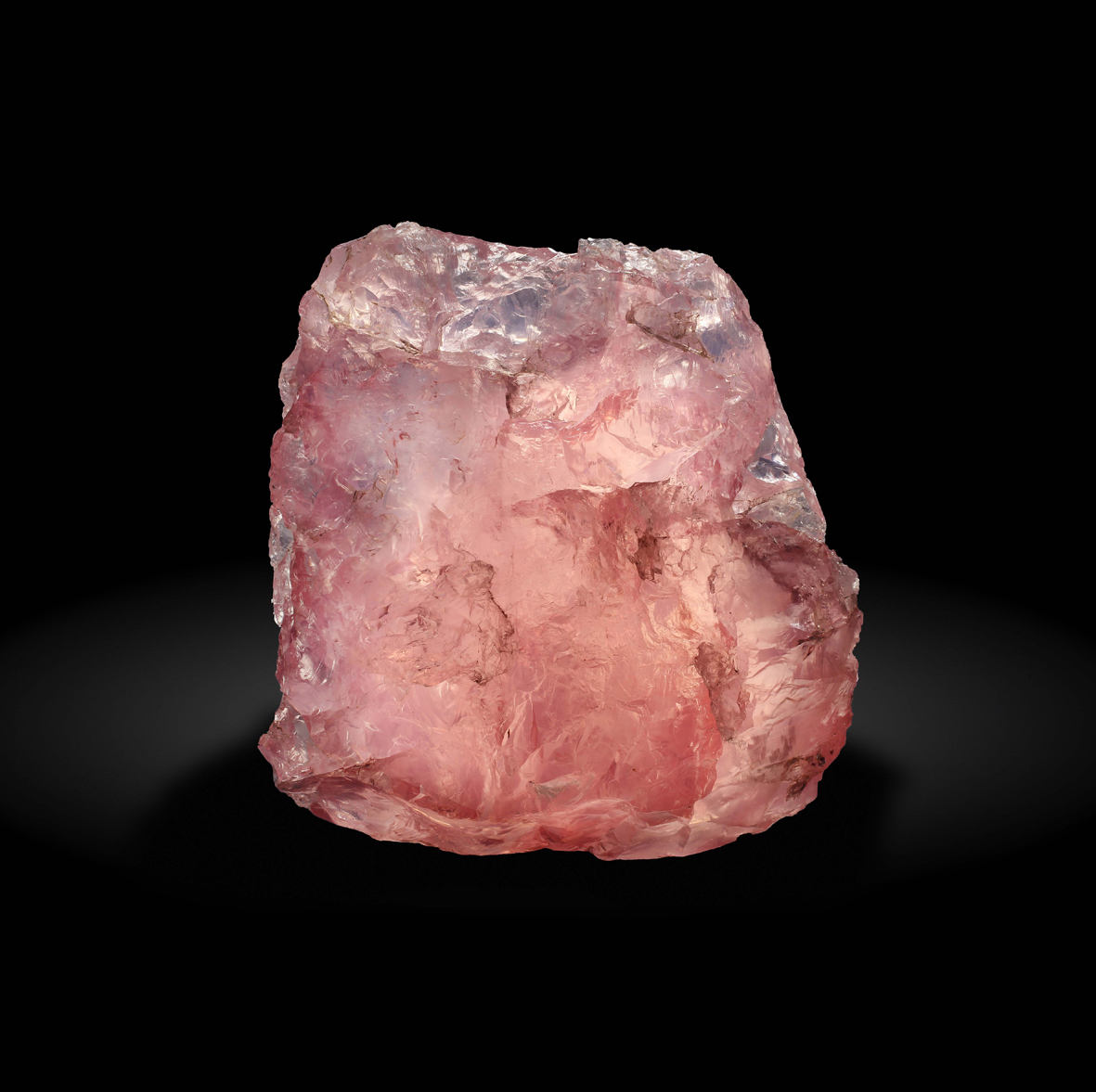
Rose Quartz gemstone specimen
Quartz (SiO₂)

Rose Quartz

A typically translucent pink variety of quartz; its soft appearance makes it popular in jewellery and carvings.

Origins · Care · Buying advice ↗
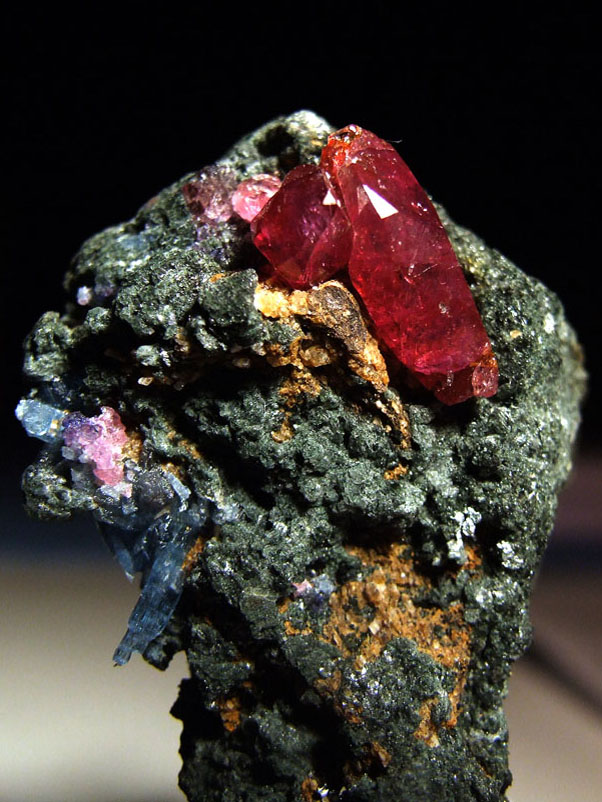
Ruby gemstone specimen
Corundum (Al₂O₃)

Ruby

Ruby is the red variety of corundum. Its rich red appearance makes it a recognised choice for statement rings, pendants an...

Origins · Care · Buying advice ↗
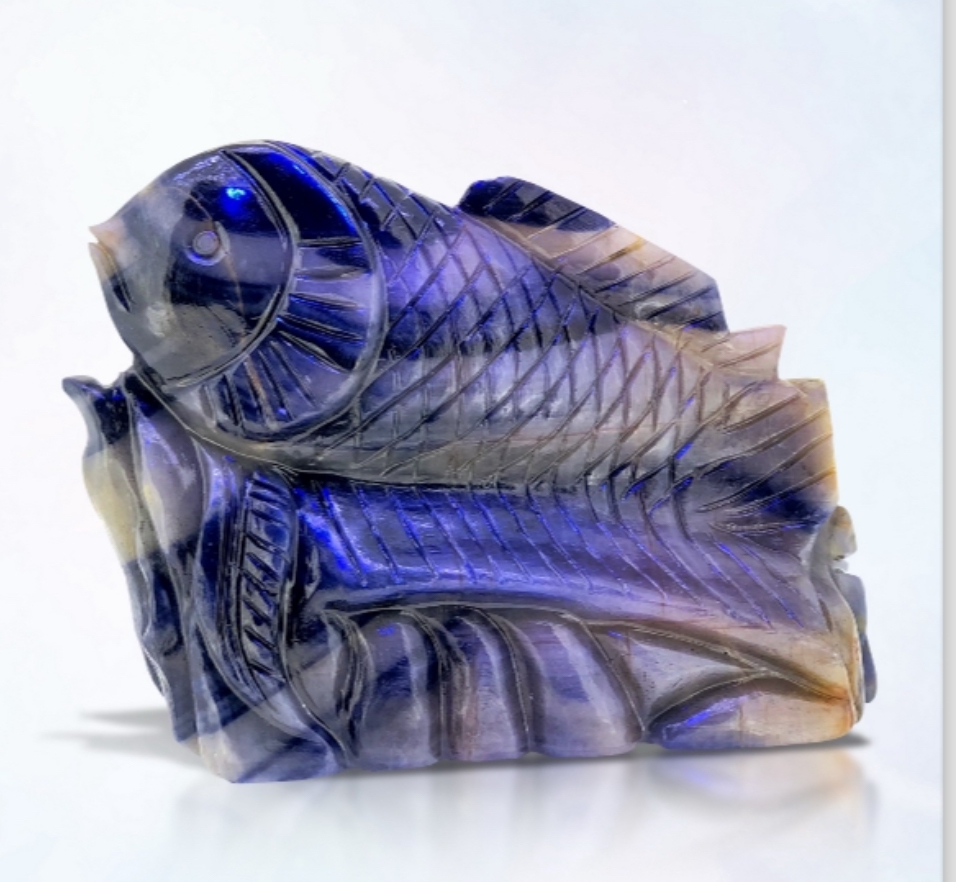
Sapphire gemstone specimen
Corundum (Al₂O₃)

Sapphire

Sapphire is a gem variety of corundum, often associated with blue but also found in other colours. Its hardness makes it a...

Origins · Care · Buying advice ↗
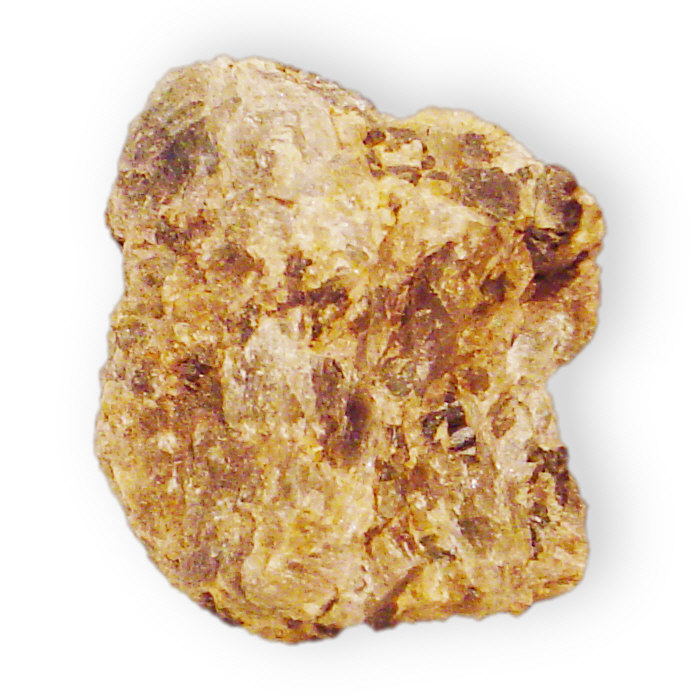
Banded chalcedony

Sardonyx

Sardonyx is a banded chalcedony material showing contrasting reddish-brown or darker sard layers with pale onyx-like bands...

Origins · Care · Buying advice ↗

INDEPENDENT OF FILTERS

The A–Z gemstone directory.

Every currently published GEMHOOD gemstone guide is linked below. Use this directory to discover a stone directly, even when it is not shown on the current results page.

COMPARE BEFORE YOU CHOOSE

Two gemstones. Side by side.

Compare actual encyclopedia records for two published gemstones. Mohs hardness describes scratch resistance, not resistance to cracking; appearance and buying disclosures matter too.

THE GEMHOOD BUYING ACADEMY

Learn to look beyond the sparkle.

A good gemstone purchase begins with knowing what the seller is describing. These six essentials are useful across colourless, coloured, organic and assembled gems.

01 · DURABILITY

Scratch resistance isn't toughness

Mohs hardness measures resistance to being scratched. Toughness concerns breaking or chipping; stability concerns heat, light, moisture and chemicals. A hard stone may still chip at an exposed corner, and a relatively soft material can be enjoyed for years when worn carefully.

02 · TREATMENTS

Natural is not the same as untreated

A natural gem can be heated, dyed, filled or coated. Ask what has been done, whether the result is stable, whether special care is required and how treatment affects comparative value. Cutting and polishing alone are not the same as colour or clarity enhancement.

03 · IDENTIFICATION

Names are not certificates

A trade colour, mine nickname or poetic name does not establish mineral identity. Ask whether the actual stone is natural, laboratory-grown, composite or an imitation. Valuable exceptions merit documentation from an independent qualified laboratory.

04 · PHOTOGRAPHY

View the actual gem in multiple lights

Bright spotlights, warm bulbs, cool daylight and camera editing can radically affect apparent colour. Request face-up and side views, ideally moving video of the exact item. That is especially useful for colour-change and optical-effect gemstones.

05 · PROVENANCE

A famous mining region is a claim

The fact that a gemstone occurs in a country does not prove the origin of a particular specimen. If a listing charges extra for geographic provenance, ask for the evidence supporting that claim and recognise that some localities cannot be determined with certainty.

06 · JEWELLERY DESIGN

The setting is part of the purchase

A protected pendant and an exposed everyday ring face very different wear. Consider mount security, fragile points, repairs, cleaning restrictions and return terms. A beautiful stone is a better purchase when it suits the way the jewellery will actually be worn.

Educational guidance only; gemstone treatment, origin and identification details for an individual product must be verified separately.

GEMSTONE KNOWLEDGE

Three things to know before choosing a gemstone

01 · ORIGINS

Where a stone forms

Geological origin explains how a mineral or organic gem develops. Known mining regions do not certify where any individual piece of jewellery came from.

02 · TREATMENTS

Natural, treated or lab-grown?

Heat treatment, filling, dyeing, synthetics and imitations are different disclosures. Understand the actual material and treatment before comparing prices.

03 · CARE

Durability is more than hardness

Mohs hardness concerns scratching. Cleavage, toughness, setting protection and cleaning methods also affect how safely jewellery can be worn.

Gemstone origins are illustrative geological and commercial localities, not independent verification of our individual products. Spiritual meanings are cultural traditions rather than medical claims.

Found something worth sharing?Share this guide or tool with someone who loves gemstones.
Facebook WhatsApp
Need help?