
THE GEMHOOD EDITORIAL LIBRARY
Triphylite gemstone guide
Triphylite: lithium iron phosphate, Mohs 4. Explore identification, origins, buying, safe handling and care.
Gem facts · Quality considerations · Care & meaning
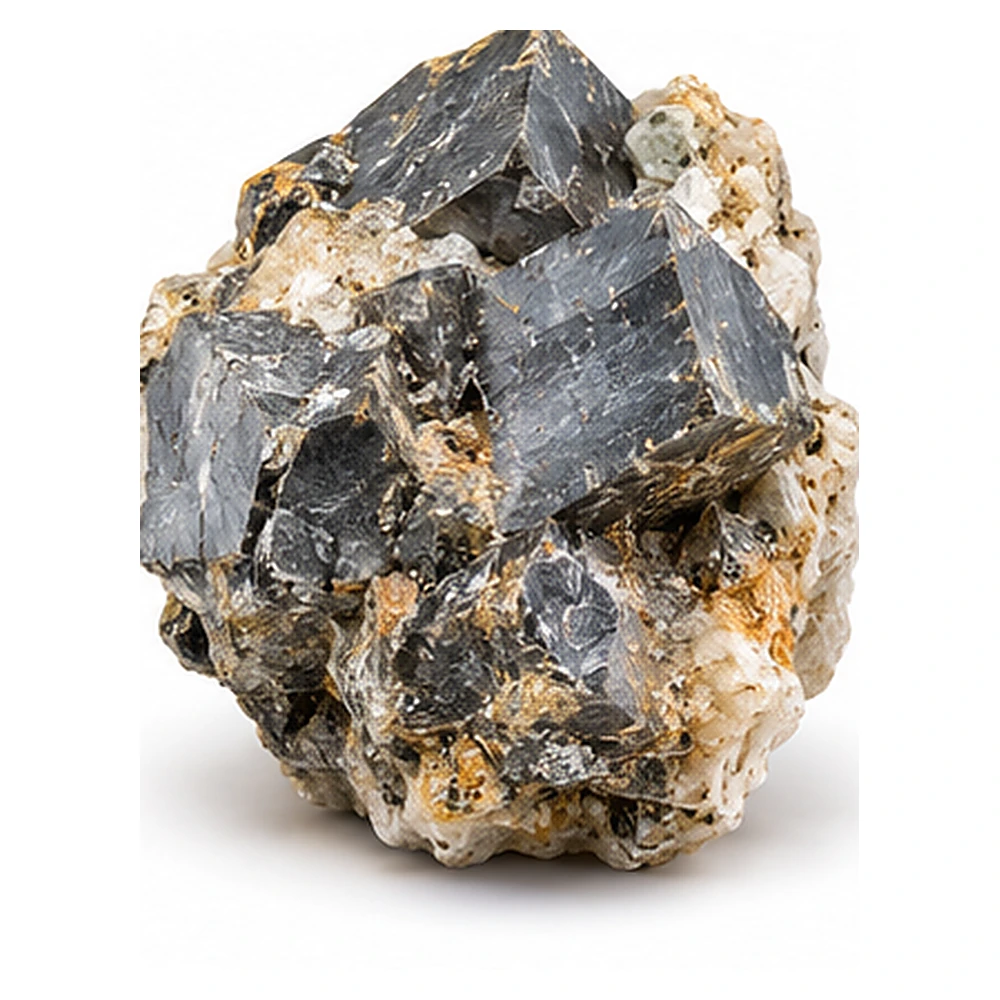 A study in colour and character
Every shade has a story.
Typical appearances for Triphylite. Natural stones vary, and lighting or treatment can change their appearance.
Where Triphylite is found
Germany; United States; Brazil; Portugal
 Germany
 United States
 Brazil
 Portugal
How it forms
Common primary phosphate mineral in complex lithium- and phosphate-rich granitic pegmatites, frequently altered along fractures.
These are representative geological or commercial sources, not certified provenance for an individual stone. Country of origin should be substantiated independently when relevant to value.
01 / THE GEM AT A GLANCE
What is Triphylite?
Triphylite is a lithium iron phosphate with representative formula LiFePO₄ and reported Mohs hardness 4. Typical appearance includes coarse grey-green cleavage-bounded crystalline masses rather than routinely well-formed crystals; documented colours include greenish grey, blue-grey, brown-green. Common primary phosphate mineral in complex lithium- and phosphate-rich granitic pegmatites, frequently altered along fractures.
Triphylite is a lithium iron phosphate with representative formula LiFePO₄ and reported Mohs hardness 4. Typical appearance includes coarse grey-green cleavage-bounded crystalline masses rather than routinely well-formed crystals; documented colours include greenish grey, blue-grey, brown-green. Common primary phosphate mineral in complex lithium- and phosphate-rich granitic pegmatites, frequently altered along fractures. Reported reference localities include Germany; United States; Brazil; Portugal. These are mineralogical occurrence areas, not independently verified provenance for a particular sale item. Primary triphylite is frequently altered to secondary phosphate species, including vivianite-bearing material; surface colour alone is not a reliable identification method. Require a species label, actual specimen dimensions, photographs of the object being sold, and disclosure of stabilisation, repair or chemical treatment. Avoid collecting powdered or broken fragments without good hygiene and never place specimens in food or drinking water. Preserve dry, protected from impact and separate from harder species; avoid abrasive cleaning that exposes altered or crumbly surfaces. Mainly a collector mineral, not an established everyday faceted gemstone. The illustrative image is not an authenticated mineral specimen or product photograph. Its name references an early three-component interpretation of the mineral composition; the type locality is in Bavaria, Germany. Crystal habit, colour and apparent size can vary substantially with geological setting and sample preparation. A visually plausible rendering is not evidence of chemical composition, geographic origin or an available product. For significant purchases compare with an established mineral reference and request scientific confirmation where the species is uncertain. Do not use collector minerals in drinking-water infusions or assume the safety properties of another mineral with similar colour. When viewing a gallery image, distinguish an illustration from a photograph of the actual specimen. The commercial listing should disclose dimensions, weight, treatment, condition, origin evidence and specific safety restrictions for the item offered.
02 / LOOK CLOSER
Colour, appearance and quality
Coarse grey-green cleavage-bounded crystalline masses rather than routinely well-formed crystals. Reported reference localities include Germany; United States; Brazil; Portugal. These are mineralogical occurrence areas, not independently verified provenance for a particular sale item.
Before you choose a stone
Compare images taken in more than one lighting condition, ask for views of the actual item and check how the cut and setting change its appearance. A gemstone type is not a standard grade: each natural specimen has its own colour, inclusions and workmanship.
THE GEMHOOD BUYER'S FIELD NOTES
How to choose Triphylite: three checks
- 01
Primary triphylite is frequently altered to secondary phosphate species, including vivianite-bearing material; surface colour alone is not a reliable identification method.
- 02
Request current photos, scale, origin evidence, condition, repairs and treatment disclosure for the specific specimen.
Avoid collecting powdered or broken fragments without good hygiene and never place specimens in food or drinking water.
Mainly a collector mineral, not an established everyday faceted gemstone.
These notes describe typical gem material and trade practices. They do not independently grade or identify a specific item offered for sale.
03 / BUY WITH CONFIDENCE
Natural, laboratory-grown, treated or imitation?
Primary triphylite is frequently altered to secondary phosphate species, including vivianite-bearing material; surface colour alone is not a reliable identification method. Require a species label, actual specimen dimensions, photographs of the object being sold, and disclosure of stabilisation, repair or chemical treatment.
These distinctions should be clear in the listing for any particular gem. Treatments are not automatically unacceptable, but an undisclosed treatment, vague mineral identity or unsupported origin claim prevents an informed purchase. Where material identity materially affects value, an independent gemological identification report may be worth considering.
A CLOSER LOOK
Composition, chemistry and reported hardness
Triphylite is a lithium iron phosphate with representative formula LiFePO₄ and reported Mohs hardness 4. Typical appearance includes coarse grey-green cleavage-bounded crystalline masses rather than routinely well-formed crystals; documented colours include greenish grey, blue-grey, brown-green. Common primary phosphate mineral in complex lithium- and phosphate-rich granitic pegmatites, frequently altered along fractures.
Idealised composition is written as LiFePO₄; naturally occurring materials may contain substitutions and intergrowths. Mohs hardness 4 measures resistance to scratching rather than durability against fracture.
A CLOSER LOOK
Appearance and diagnostic crystal habits
Coarse grey-green cleavage-bounded crystalline masses rather than routinely well-formed crystals. Greenish grey, blue-grey, brown-green.
Primary triphylite is frequently altered to secondary phosphate species, including vivianite-bearing material; surface colour alone is not a reliable identification method. Require a species label, actual specimen dimensions, photographs of the object being sold, and disclosure of stabilisation, repair or chemical treatment.
A CLOSER LOOK
How and where this mineral forms
Common primary phosphate mineral in complex lithium- and phosphate-rich granitic pegmatites, frequently altered along fractures.
Reported reference localities include Germany; United States; Brazil; Portugal. These are mineralogical occurrence areas, not independently verified provenance for a particular sale item.
A CLOSER LOOK
Historical terminology and common confusions
Its name references an early three-component interpretation of the mineral composition; the type locality is in Bavaria, Germany.
Primary triphylite is frequently altered to secondary phosphate species, including vivianite-bearing material; surface colour alone is not a reliable identification method.
A CLOSER LOOK
How to buy authentic and accurately labelled material
Primary triphylite is frequently altered to secondary phosphate species, including vivianite-bearing material; surface colour alone is not a reliable identification method. Require a species label, actual specimen dimensions, photographs of the object being sold, and disclosure of stabilisation, repair or chemical treatment.
Ask for a photograph of the exact piece, not a reference-library illustration. Confirm whether the item is natural, treated, assembled, coated, repaired or only visually similar to this species.
A CLOSER LOOK
Jewellery suitability, safe handling and storage
Mainly a collector mineral, not an established everyday faceted gemstone. The illustrative image is not an authenticated mineral specimen or product photograph.
Avoid collecting powdered or broken fragments without good hygiene and never place specimens in food or drinking water. Preserve dry, protected from impact and separate from harder species; avoid abrasive cleaning that exposes altered or crumbly surfaces.
A CLOSER LOOK
Care, display and long-term preservation
Preserve dry, protected from impact and separate from harder species; avoid abrasive cleaning that exposes altered or crumbly surfaces.
Soft or cleavable species may be permanently damaged by household chemical cleaners, pressure, grinding or soaking. For powdery, fibrous or arsenate-bearing pieces seek conservative, closed-display handling.
A CLOSER LOOK
What the GemHood illustration can—and cannot—show
This guide uses an original AI-generated concept illustration of Triphylite based on reported colours and crystal morphology. It is not a certified specimen photograph, a geological assay or evidence of stock.
The linked mineral reference should be consulted alongside laboratory testing or documented locality information when precise identity matters.
04 / WEAR IT WELL
Triphylite in jewellery
Mainly a collector mineral, not an established everyday faceted gemstone. The illustrative image is not an authenticated mineral specimen or product photograph.
05 / MAKE IT LAST
How to care for Triphylite
Avoid collecting powdered or broken fragments without good hygiene and never place specimens in food or drinking water. Preserve dry, protected from impact and separate from harder species; avoid abrasive cleaning that exposes altered or crumbly surfaces.
One essential care distinction
Mohs hardness describes resistance to scratching, not resistance to breaking. Gemstones with cleavage, existing fractures, porous surfaces or fillings can need extra care regardless of their hardness number. If you do not know whether a piece has been treated, begin with the gentlest appropriate cleaning method.
06 / CULTURE & MEANING
History, heritage and symbolism
Its name references an early three-component interpretation of the mineral composition; the type locality is in Bavaria, Germany.
Traditional meanings and spiritual associations are part of cultural storytelling. They are not evidence that a gemstone diagnoses, prevents or treats any medical condition.
GOOD QUESTIONS, CLEAR ANSWERS
Triphylite FAQs
What is Triphylite?
Triphylite is a lithium iron phosphate commonly represented by LiFePO₄. Coarse grey-green cleavage-bounded crystalline masses rather than routinely well-formed crystals.
How hard is Triphylite?
Reported Mohs hardness: 4. This number does not predict cleavage, toughness or whether a piece is suitable for daily wear.
What colour is Triphylite?
Reported colours include greenish grey, blue-grey, brown-green; mineral associations and lighting can change the appearance.
Where does Triphylite occur?
Reference localities include Germany; United States; Brazil; Portugal. These areas do not confirm a seller’s provenance without documentation.
How do I identify natural Triphylite?
Primary triphylite is frequently altered to secondary phosphate species, including vivianite-bearing material; surface colour alone is not a reliable identification method. Request mineral identification evidence where appearance is ambiguous.
Can I wear Triphylite in a ring or pendant?
Mainly a collector mineral, not an established everyday faceted gemstone.
How should I clean and store Triphylite?
Preserve dry, protected from impact and separate from harder species; avoid abrasive cleaning that exposes altered or crumbly surfaces.
Are there safety issues with Triphylite?
Avoid collecting powdered or broken fragments without good hygiene and never place specimens in food or drinking water.
Is the illustration an actual Triphylite specimen?
No. It is an original AI-generated educational illustration; it does not document a physical item, its authenticity or its place of extraction.
A NOTE FROM THE GEMHOOD EDITORIAL DESK
How to use this guide
We explain gemstone properties, known mining regions and customary treatments to help you shop more confidently. Each gemstone can vary in quality and individual provenance, so compare the actual jewellery listing and request supporting documentation if origin, treatment or natural-versus-laboratory-grown status affects your choice.
Our gemstone library is educational and does not act as a laboratory identification certificate. Independent gemological assessment is advisable for valuable or disputed claims.
EDITORIAL REFERENCES
Research and further reading
References describe mineral species and representative occurrences, not verification of any individual item for sale.
No matching jewellery is currently in stock. Explore the guide or browse our full collection.
Browse jewellery →UNDERSTAND THE DIFFERENCE
Compare Triphylite with similar gemstones
These stones can overlap in colour, appearance or jewellery use. The mineral identity, treatments and durability may be very different.
KEEP EXPLORING
Other gemstones to discover
Educational articles describe gemstone types and common trade practices. They are not individual gemological certificates, current price appraisals or medical advice.