The UK storefront stays in GBP. The global storefront can be viewed in USD or EUR.
WHAT ARE YOU LOOKING FOR?
Try “amethyst bracelet” or “birthstone”.
COMPARE BEFORE YOU CHOOSE
Two gemstones. Side by side.
Look beyond the sparkle. Explore the colours, origins, mineral families and everyday-care differences that make every gemstone unique.
GEMSTONE ONE
Native Bismuth
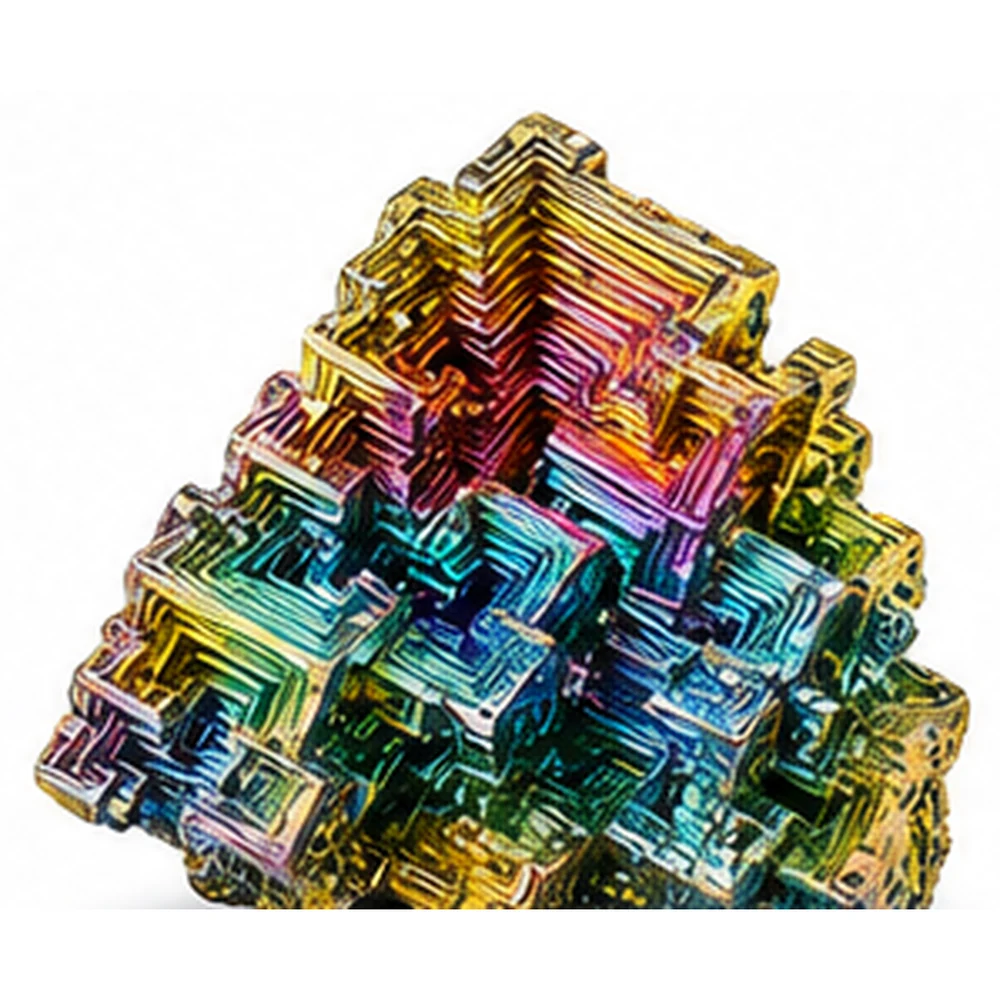
Native Bismuth: natural metallic mineral versus laboratory-grown rainbow hopper crystals (shown in the illustration). Identification, buying and safety.
Colour & appearance
Silvery metallic; rainbow iridescence on oxidised, often laboratory-grown crystals
Mineral family
Native element (bismuth)
Mohs hardness
2–2.5
Representative source regions
Germany; Bolivia; Australia; China
Germany Bolivia Australia China
Jewellery & care
Decorative laboratory-grown crystals and collector pieces, not suitable for rough daily wear. Avoid selling lab-grown pieces as rare natural gemstone specimens.
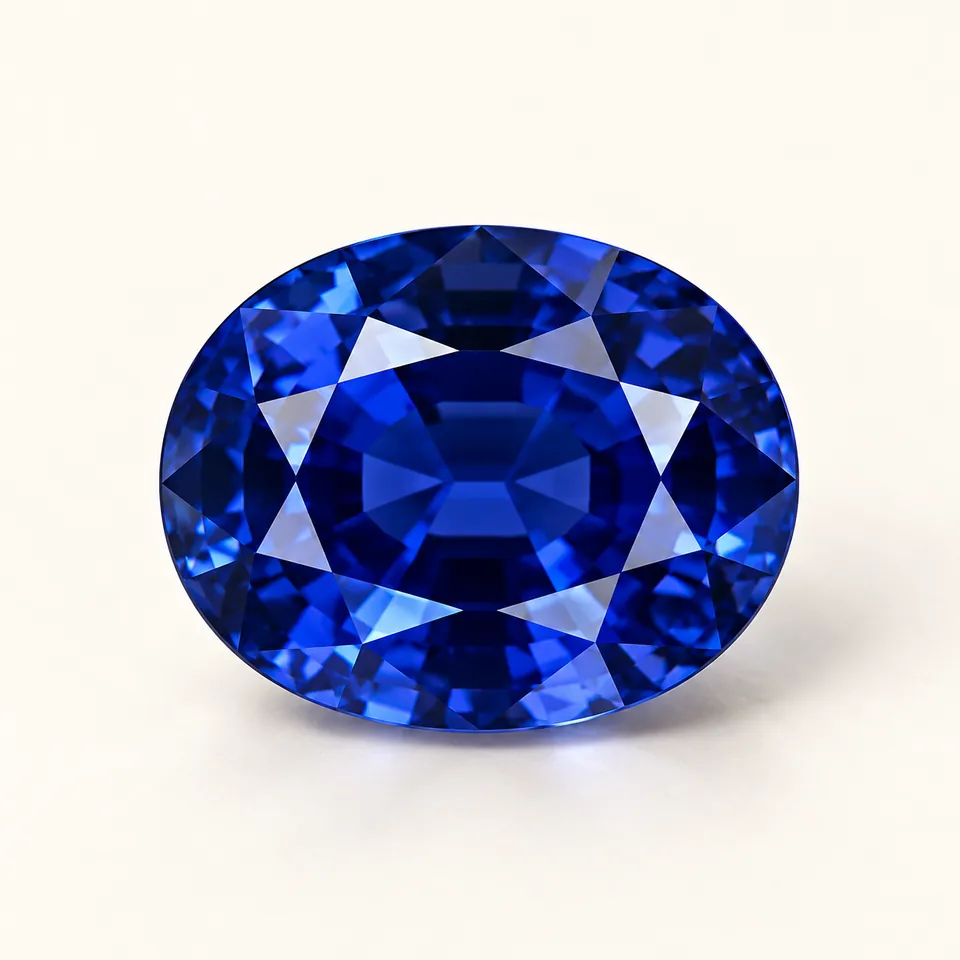
Sapphire is a gem variety of corundum, often associated with blue but also found in other colours. Its hardness makes it an enduring jewellery material, although the secu...
Colour & appearance
Blue and other colours
Mineral family
Corundum (Al₂O₃)
Mohs hardness
9
Representative source regions
Sri Lanka, Madagascar, Myanmar, Australia, Thailand and Montana in the United States are recognised sources. The Kashmir region is historically famous for highly valued blue sapphires.
Sri Lanka Madagascar Myanmar Australia Thailand United States
Jewellery & care
Choose the style and setting to suit the specific stone, treatment information and intended use.
Hardness measures scratch resistance, not breakage. Source regions are educational examples, not claims about the provenance of an individual GEMHOOD product. Images may be digital gemstone illustrations.
Curiosity looks good on you.
Browse the entire library or discover which stones suit your tastes.