Skip to content
GEMSTONE JEWELLERY & MEANINGFUL GIFTSDiscover your gemstone
COMPARE BEFORE YOU CHOOSE

Two gemstones.
Side by side.

Look beyond the sparkle. Explore the colours, origins, mineral families and everyday-care differences that make every gemstone unique.

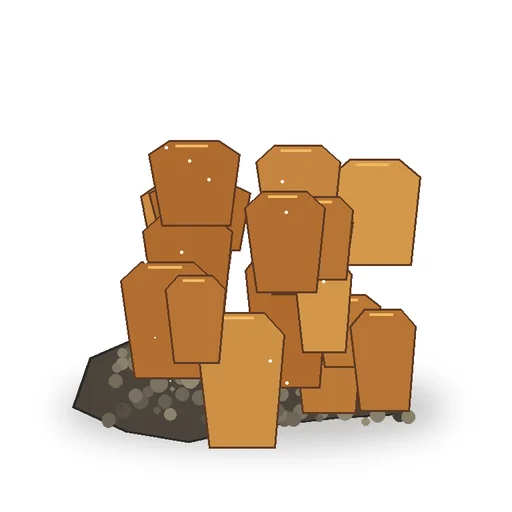
Illustration or example specimen of Bastnäsite-(Ce)
GEMSTONE ONE

Bastnäsite-(Ce)

Bastnäsite-(Ce) is known for honey-amber tabular or hexagonal crystals with resinous-looking highlights. Read the identification, handling and collector-use guide.

Colour & appearance
Honey-yellow to reddish-brown
Mineral family
Cerium rare-earth fluorocarbonate
Mohs hardness
4–4.5
Representative source regions
Sweden; Pakistan; United States
Sweden Pakistan United States
Jewellery & care
Rare collector species, not appropriate for high-impact rings; broken edges reduce collector appeal.
YellowBrown
Read the Bastnäsite-(Ce) guide
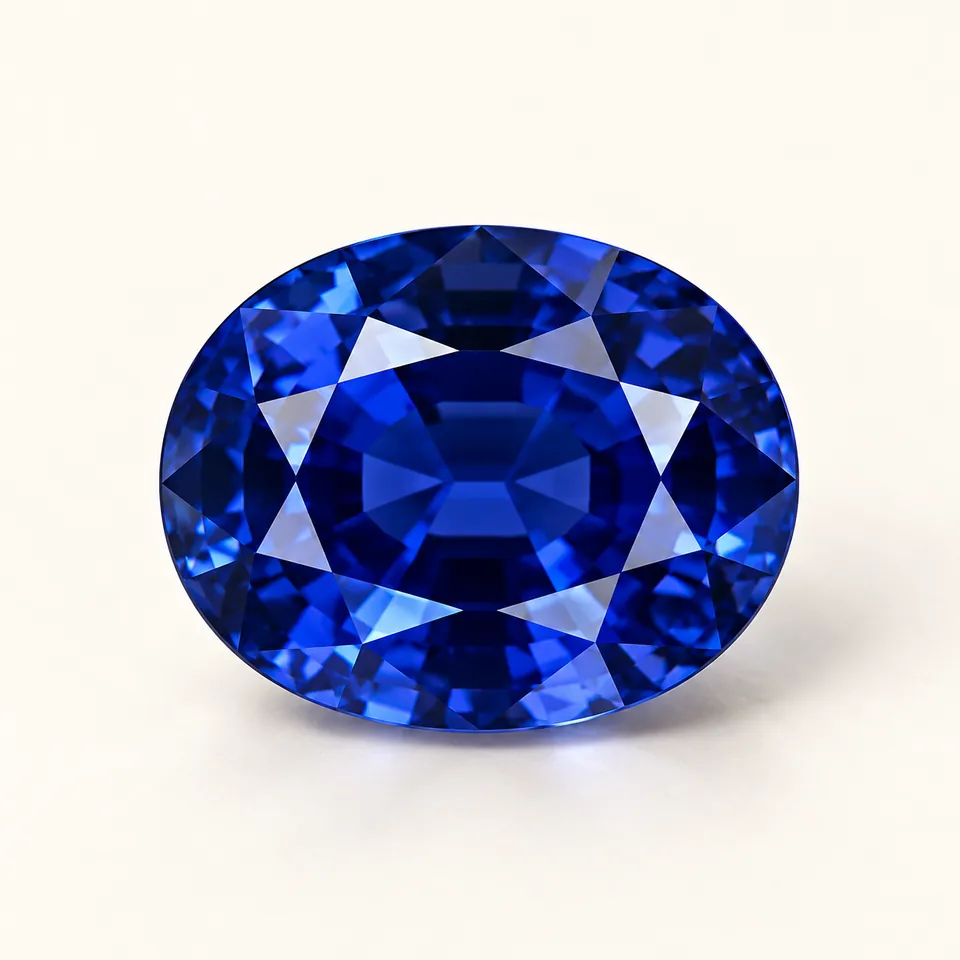
Illustration or example specimen of Sapphire
GEMSTONE TWO

Sapphire

Sapphire is a gem variety of corundum, often associated with blue but also found in other colours. Its hardness makes it an enduring jewellery material, although the secu...

Colour & appearance
Blue and other colours
Mineral family
Corundum (Al₂O₃)
Mohs hardness
9
Representative source regions
Sri Lanka, Madagascar, Myanmar, Australia, Thailand and Montana in the United States are recognised sources. The Kashmir region is historically famous for highly valued blue sapphires.
Sri Lanka Madagascar Myanmar Australia Thailand United States
Jewellery & care
Choose the style and setting to suit the specific stone, treatment information and intended use.
Blue
Read the Sapphire guide

Hardness measures scratch resistance, not breakage. Source regions are educational examples, not claims about the provenance of an individual GEMHOOD product. Images may be digital gemstone illustrations.

Found something worth sharing?Share this guide or tool with someone who loves gemstones.
Facebook WhatsApp
Need help?